Comparison and decision guides
Repipe or Spot Repair: How to Decide
Published November 1, 2026. Updated November 1, 2026.
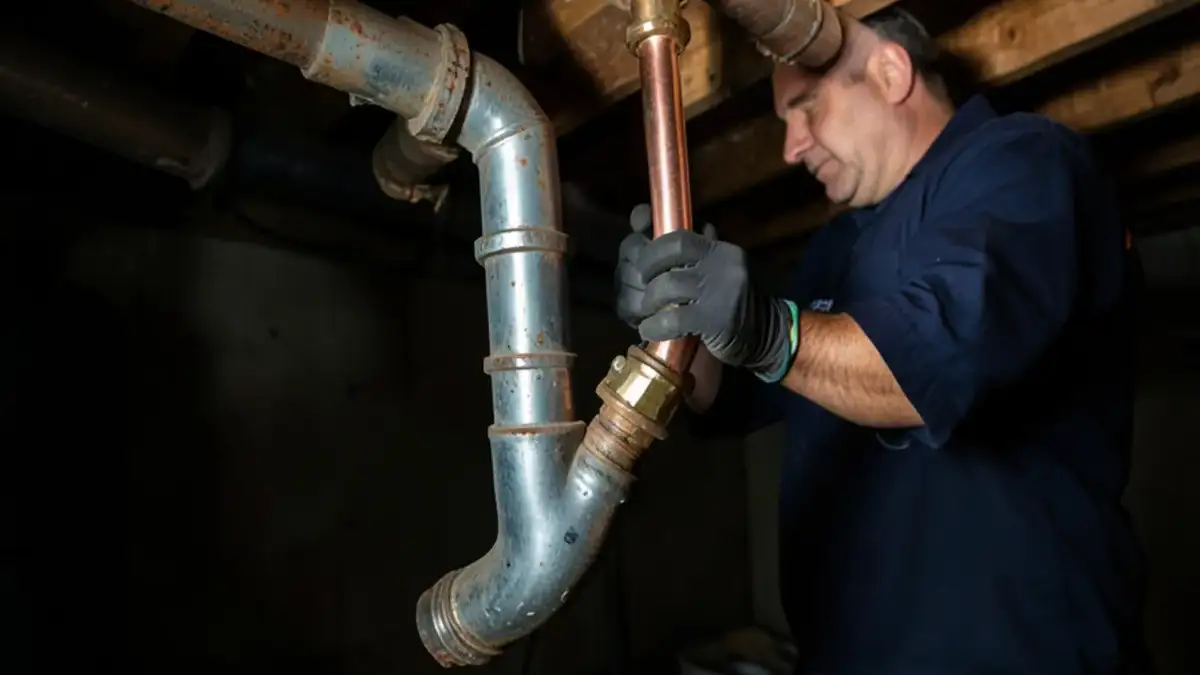
Repipe vs repair depends on the pipe material and how often it leaks, not on one leak alone. A single pinhole in otherwise sound copper is a spot repair. Several leaks in a short time, brown water and low pressure from old galvanized steel, or known problem plastic point to replacing the pipe. Here is how to decide.
How Do You Decide Between a Repipe and a Spot Repair?
Look at the pattern, not the latest leak. Use this guide:
| Situation | Spot repair wins | Repipe wins |
|---|---|---|
| Number of leaks | One, in a fitting or a pinhole | Several in a few years |
| Pipe material | Sound copper or plastic | Aging galvanized or known problem plastic |
| Water quality | Clear, normal pressure | Brown water, falling pressure |
| Access | Pipe is exposed and easy to reach | Walls will be open for other work anyway |
| Plans for the house | Selling soon or tight budget | Staying long term |
If you are unsure, a leak detection visit shows whether the leak is isolated. Our post on signs of a hidden water leak covers what to look for first.
Pipes leaking again? Call (209) 563-1400
Open 7 days, 7:15 AM to 6:15 PM. Tell us what is happening and we will give you a clear, upfront quote.
What Does Old Galvanized Pipe Tell You?
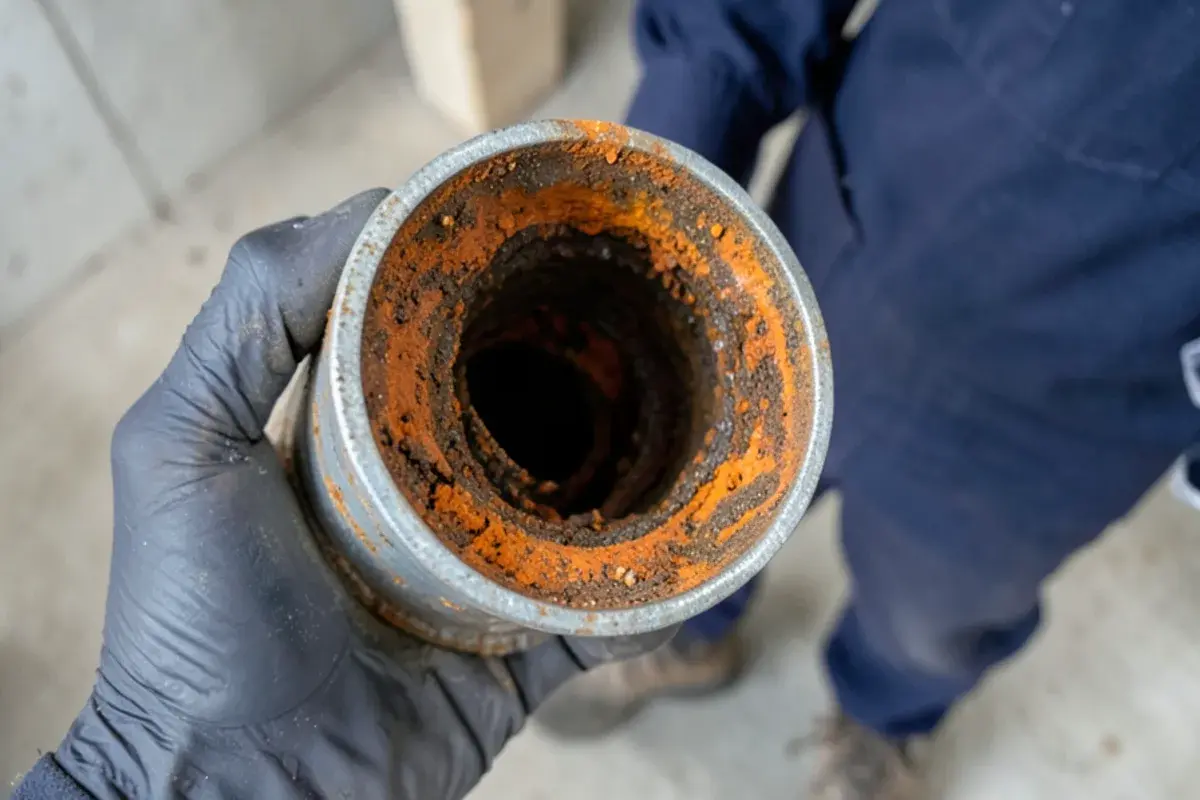
Galvanized steel tells you the pipe is near the end of its life when it shows symptoms. Saint Paul Regional Water Services explains that galvanized pipe loses its zinc coating and corrodes from the inside out. That narrows the pipe, restricts flow and causes low pressure. It also stains water brown and can eventually rust through and leak.
Copper came into wide use from the 1960s onward, per the same source. That makes postwar homes the likeliest to still have galvanized supply lines. Marquette Heights, with its hillside postwar homes, is the kind of place where we would check. If a house has low pressure at several fixtures, a patch will not help: the whole pipe is narrowing.
Why a Patch on Galvanized Can Start the Next Leak
A spot repair on galvanized is harder than it looks. New copper spliced into old steel puts two dissimilar metals in contact, and InspectApedia explains that the steel then corrodes at the joint. A dielectric fitting, which places a non-conductive barrier between the metals, is the usual answer. Old threads can also break when a wrench goes on, so a small repair can grow. Ask how the transition will be made before you approve a patch.
What Does a Pinhole in Copper Tell You?
A pinhole says more about the water than the plumber who installed the pipe. Science News reported lab work tying pinhole leaks to water chemistry, with severe pitting when pH rose to about 8.5 to 9 and chlorine went up. Treatment changes at the utility can play a part, which leaves a homeowner few ways to prevent it.
The practical point is this: the same water runs through every foot of pipe in the house. One pinhole is a repair. A second in another room, away from the first, is evidence that the wall is thinning in more than one place. Save any section the plumber cuts out, because pitting on the inside tells more than the hole does. If several pinholes appear, ask your water utility about the pH of the water it sends out.
Does Polybutylene Mean You Must Repipe?
It means you should find out what you have. InspectApedia reports that polybutylene was used from the late 1970s, with a PB2110 marking found on pipe from about 1978 to 1995. Washington's median home was built in 1978, so some houses may fall in that window. Most leaks involved failed plastic insert fittings, not the pipe itself, and failure of the pipe is described as relatively uncommon.
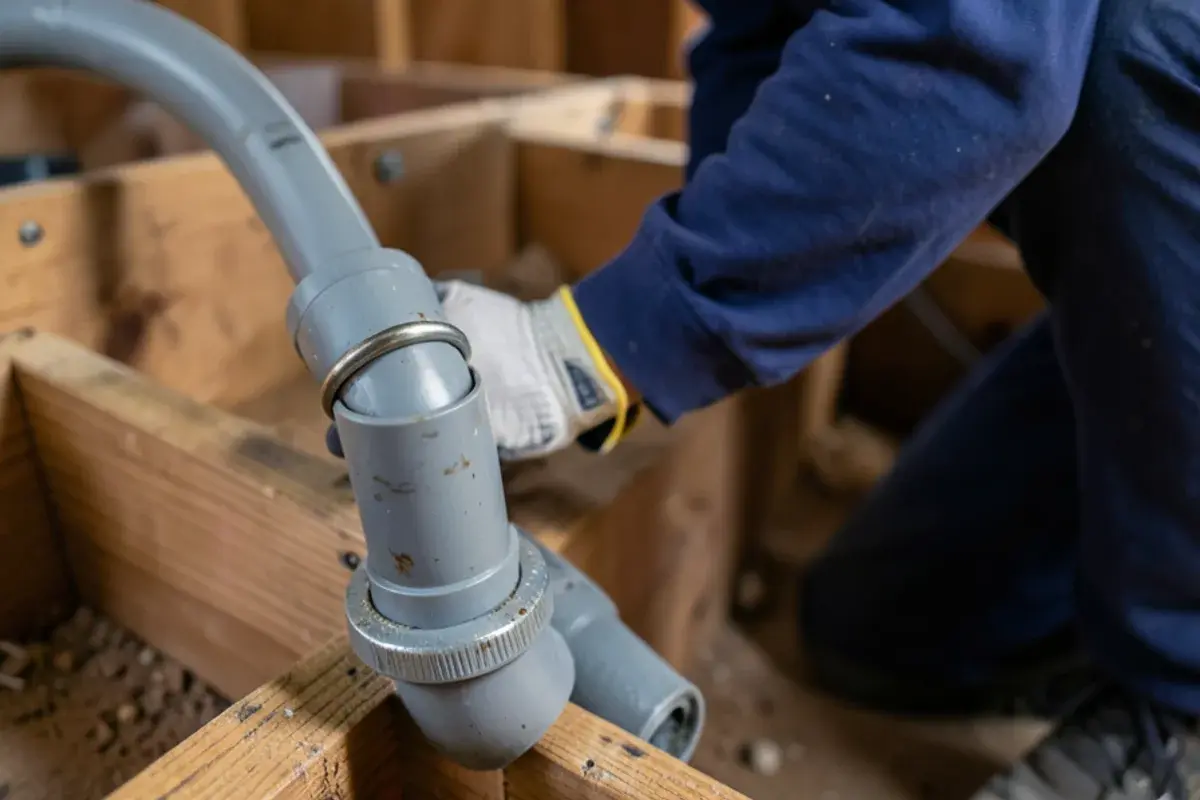
That makes the decision case by case. A sound run with a few failed fittings can sometimes be repaired, but repeat fitting leaks usually end in replacement. Gray PEX can look like polybutylene, so do not rely on color. The class action settlement has closed, so repairs are the owner's cost.
Insurance can set the timing for you. Shipshape's plumbing guide says many insurers refuse to cover homes with polybutylene, so call your agent before you decide a few fittings can wait.
How Do You Run the Numbers on Repair vs Repipe?
Add up what the leaks will cost over three years, then set that beside the replacement price. These figures come from Shipshape's published benchmarks and are not our quote:
| Path over three years | Published cost per job | Three-year total |
|---|---|---|
| One reachable repair each year | $200 to $500 | $600 to $1,500 |
| Two repairs inside a wall | $500 to $1,500 | $1,000 to $3,000 |
| One partial repipe | $1,500 to $4,000 | $1,500 to $4,000 |
| Whole-house repipe in PEX | $4,000 to $10,000 | $4,000 to $10,000 |
Repairs win that math on sound pipe, and they should. The table leaves out what a failing pipe adds: drywall, flooring and a possible burst pipe repair on a day nobody is home. Once in-wall repairs reach the price of a partial repipe, you are paying for new pipe without getting it. Shipshape treats roughly three leaks in different places within two years as the sign of a system problem.
What Do the New Pipe Options Cost and Do?
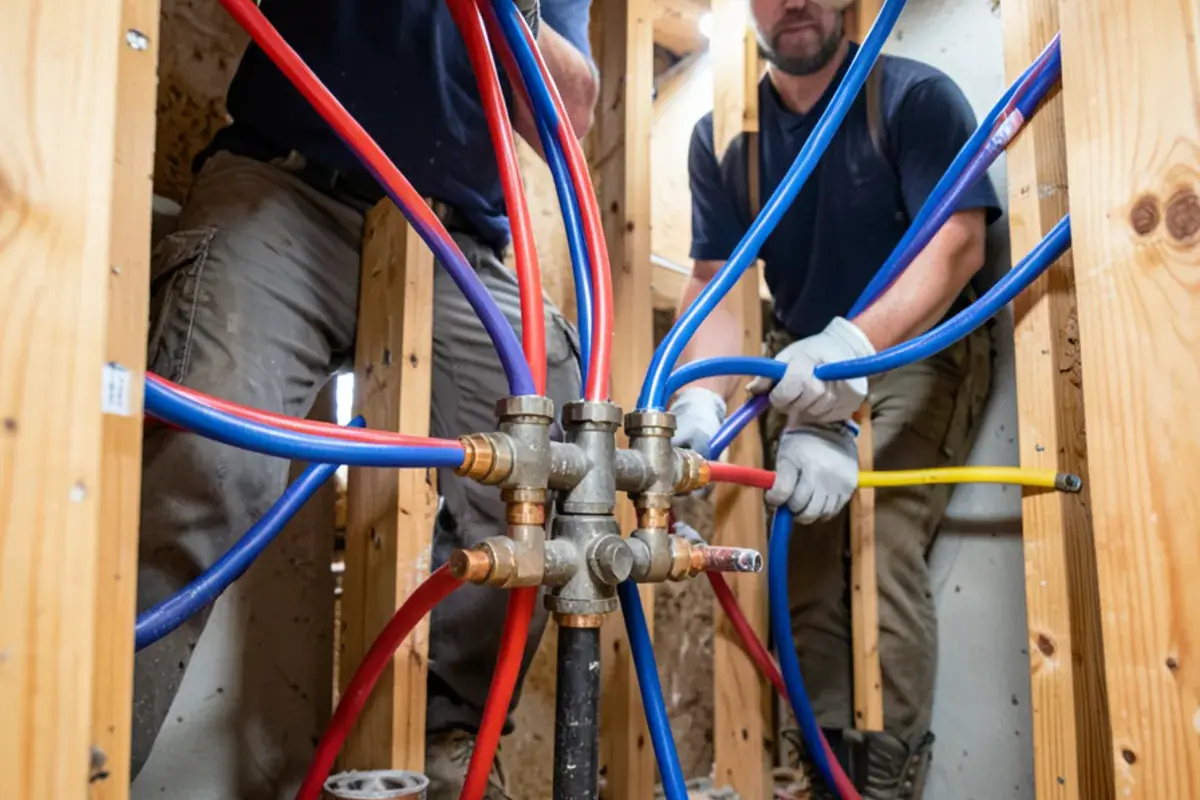
Copper lasts longer and PEX costs less. Bob Vila's comparison puts copper at about 50 to 70 years and PEX at about 30 to 50. It estimates a 1,500-square-foot two-bath home at $8,000 to $10,000 for copper and $4,000 to $6,000 for PEX. Those are published estimates, not our quote, and house size, access and wall repair move the number.
Illinois winters add a freeze angle. Copper can crack when the water inside freezes, and PEX is more freeze-resistant because it flexes. PEX has its own risks: rodents can chew it and UV light damages it, so it must stay out of sunlight.
Which Warning Signs Mean the Pipe Is Failing?
Several signs together matter more than any one of them. Watch for these:
- Brown or rust-tinted water when a tap has sat unused
- Pressure that has fallen at more than one fixture
- Pinhole leaks, green crust or damp spots at more than one joint
- Water stains on ceilings below runs of supply pipe
- Repairs that hold for a season and then fail next to the patch
Take a photo and a date each time, so the pattern is visible when you call.
What Happens During a Repipe?
A repipe follows a set order, and a spot repair is a shorter version of the same steps:
- Plan the route. We choose where new lines run and where walls or ceilings must be opened to reach them.
- Shut off and drain. The main shutoff valve closes and the old lines drain.
- Run the new pipe. New lines go in from the main to each fixture, with shutoff valves where they are useful.
- Pressure test. The system is filled and tested before anything is covered.
- Inspect. Rough-in work must pass the city inspection before walls close.
- Close up. Wall and ceiling patches are the next trade's job, so ask who handles them before you start.
Ask how long water will be off and plan around it. Ask for the scope in writing.
What We Look For Before Recommending a Repipe
We trace where the leaks are and what the pipe is made of. We check pressure at several fixtures, look at the cut-open pipe from earlier repairs and ask how long the leaks have been coming. If one section is the problem, we say so and quote that section. If the whole system is failing, we explain why and quote the repipe. Our repiping page covers the process and how the walls are handled.
Repiping needs a permit in Washington, and rough-in plumbing must pass inspection before walls close. Confirm the current rules with the city.
Honest Trade-Offs on Each Path
- Spot repair: lowest cost today and no open walls. The rest of the pipe stays the same age, so you accept the risk of another leak.
- Partial repipe: fixes the worst run and spreads out the spending. It leaves a joint between old and new pipe, and it does little if the same material runs through the whole house.
- Whole-house repipe: ends the leak cycle and restores pressure in one job. It costs the most, opens walls and ceilings, and takes the water out of service for part of the work.
Bring Us the Pattern
Call (209) 563-1400 with the dates of your leaks, where each one was and what the pipe looks like, and photos if you have them. We will tell you whether we would repair or replace and why, with a clear, upfront quote for the work.
Sources

Written by the Professional Sewer & Drain Services team
A plumbing and sewer company based in Washington, IL. About us