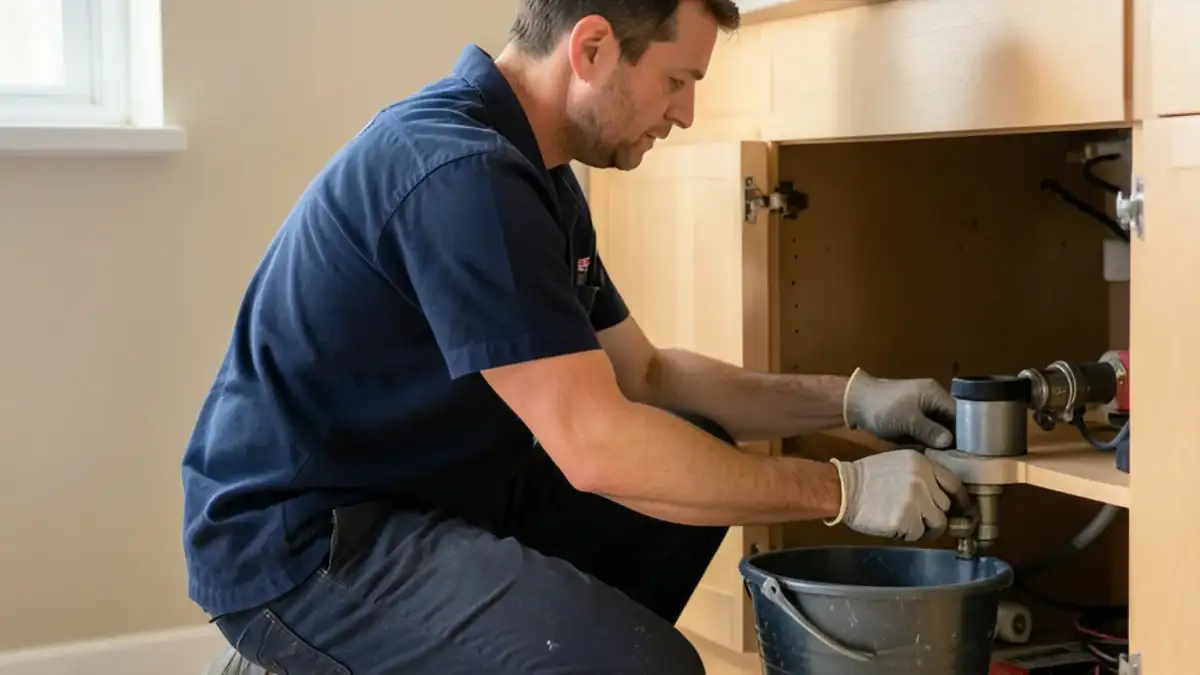
Drain Cleaning in Washington, IL
We find which pipe is actually blocked, then clear that pipe instead of treating the symptom.
- 4.8 on Google, 16 reviews
- Open 7 days, 7:15 AM to 6:15 PM
- Based in Washington, IL
- Google reviews going back 10 years
Drain cleaning in Washington, IL starts with one question: is the clog in the branch line serving one fixture, or in the main line every fixture shares? Scaled cast iron in older homes and grease or wipes in newer ones change the job, and the answer decides which tool goes in and how far.
Is It a Branch Line or the Main Line?
Look at how many fixtures are affected. One slow fixture is a branch line. Several fixtures that react together are on the main line.
A branch line runs from a single fixture, or a small group such as a bathroom, to the main line. The main line is the large pipe under the house or slab that collects every branch and carries it to the sewer. Clogs in a branch are the most common and the quickest to reach. A main line clog is a different job, and our sewer line cleaning page covers it.
| What you notice | Where the clog probably is | What we do |
|---|---|---|
| One sink or tub drains slowly | That fixture's branch | Open the trap, then cable the branch |
| Two or more fixtures slow together | The shared branch or main | Cable from the nearest access toward the main |
| Basement floor drain gurgles when upstairs water runs | Main line | Clear it through the cleanout |
| Toilet bubbles when the tub drains | Main line | Clear it through the cleanout |
What Our Drain Cleaning Covers
A drain cleaning visit covers the blocked line from the fixture to the point where it runs clear, plus the checks that prove it. Tell us every drain acting up when you call, because the quote depends on which lines need work. The usual scope:
- Kitchen and bathroom sinks. The trap comes off, then the branch is cabled past the wall.
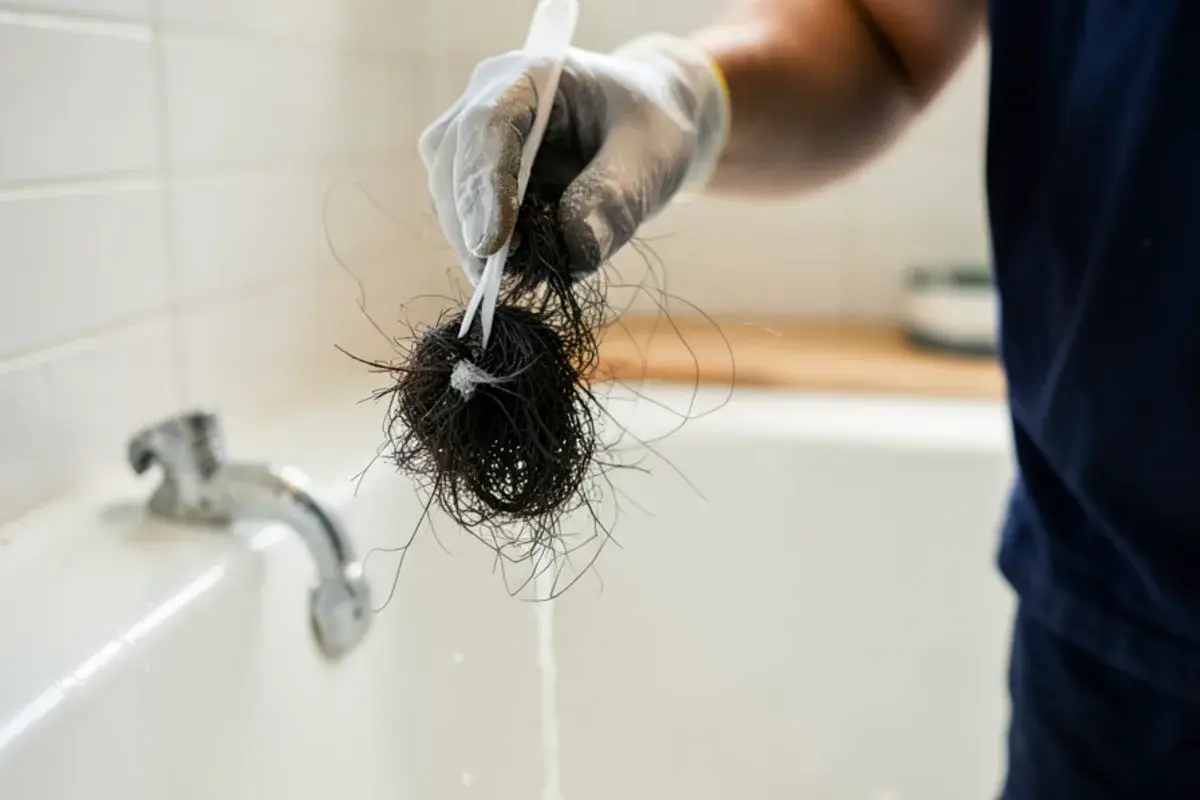
- Tubs and showers. Hair comes out at the stopper, and a cable follows if needed.
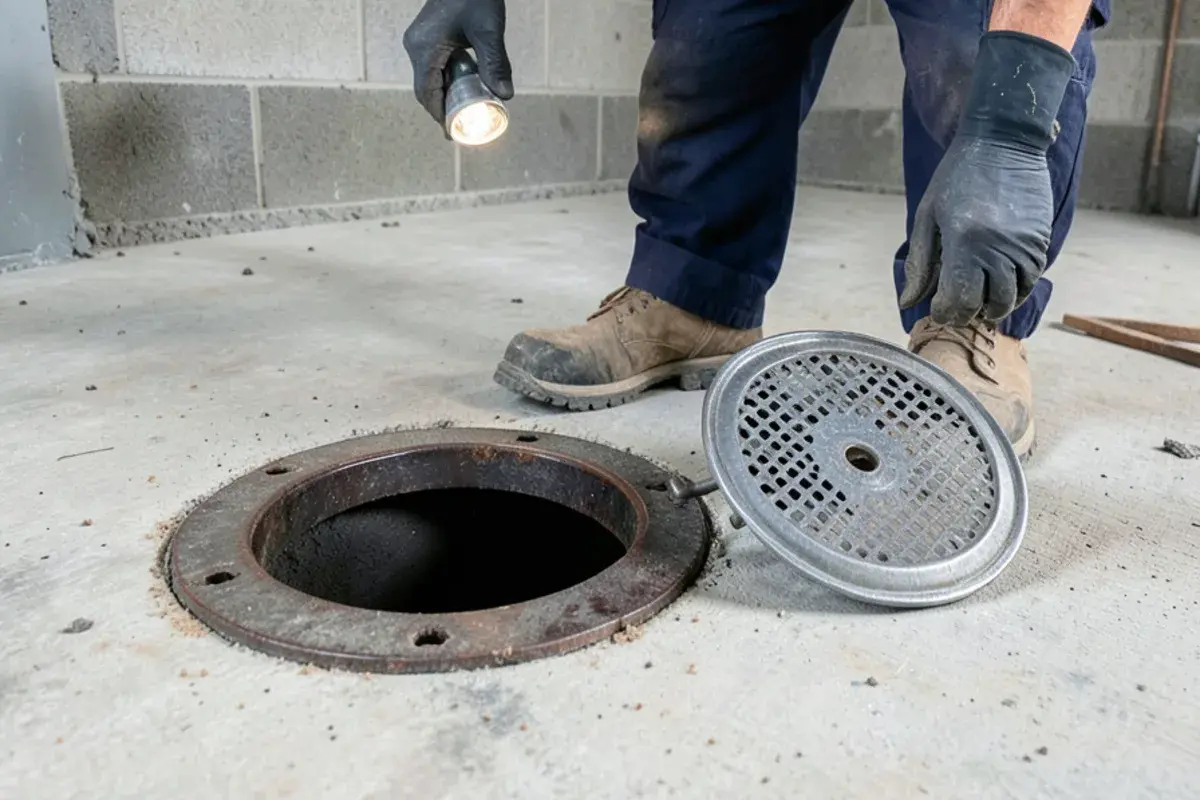
- Laundry standpipes and floor drains. Lint and silt come out of the trap and the pipe below it.
- Main line trouble. When several fixtures react, we move to the cleanout and clear the shared line.
- A flow test. Water runs through the fixture and its neighbors.
Hydro jetting, a camera look and pipe repair are quoted separately, and only if the cause calls for it. A worn stopper or leaking trap is a faucet and fixture repair job.
What Clogs Kitchen, Tub and Floor Drains?
Each drain has its own usual culprit, and knowing it tells us where to look first.
- Kitchen sink: Grease cools on the pipe wall and traps food scraps. The clog builds behind the trap and slowly closes the pipe. Sara A. called us late on a Saturday for exactly this, a backed up kitchen sink.
- Bathtub and shower: Hair wraps around the drain stopper or strainer and binds with soap scum. This clog is usually within the first few feet.
- Bathroom sink: Toothpaste, hair and soap bind into a gel near the pop-up stopper.
- Toilet: Wipes and too much paper catch at the trapway or the first bend.
- Laundry standpipe: Lint and fabric strands build up in the standpipe and the trap below it.
- Basement floor drain: Silt, laundry lint and debris settle in the trap. In a dry spell the water seal can also evaporate, which lets sewer gas up.
Why Chemical Cleaners Rarely Finish the Job
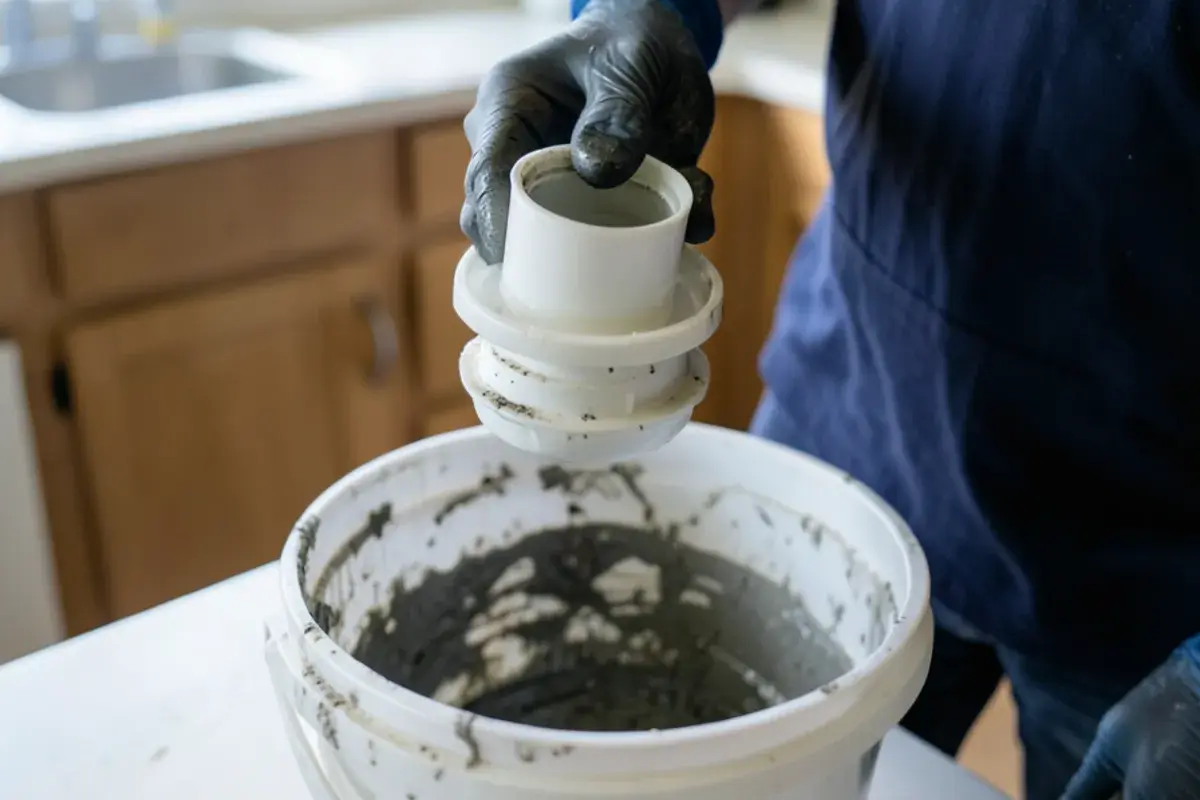
Liquid cleaners reach the trap and a short stretch of pipe behind it. They pool there instead of traveling down a long branch, and they do little to a hair mat or a lump of grease further along.
A plunger is fine for a toilet or a sink that is only starting to slow. If it does not clear a fixture in a few tries, stop. More force can push a clog deeper or loosen a trap connection.
Clogged drain in your kitchen or bath? Call (209) 563-1400
Open 7 days, 7:15 AM to 6:15 PM. Tell us what is happening and we will give you a clear, upfront quote.
Request a Quote
Water moving right now? Call first: (209) 563-1400. For anything that can wait, send the details here.
How a Drain Cleaning Visit Goes
We work from the fixture toward the main, so we know where the blockage sits before we pick a tool.
- Ask what happened. Which fixtures, since when, and whether anything dropped down the drain.
- Run water and watch. How it drains, and how other fixtures respond, narrows the location.
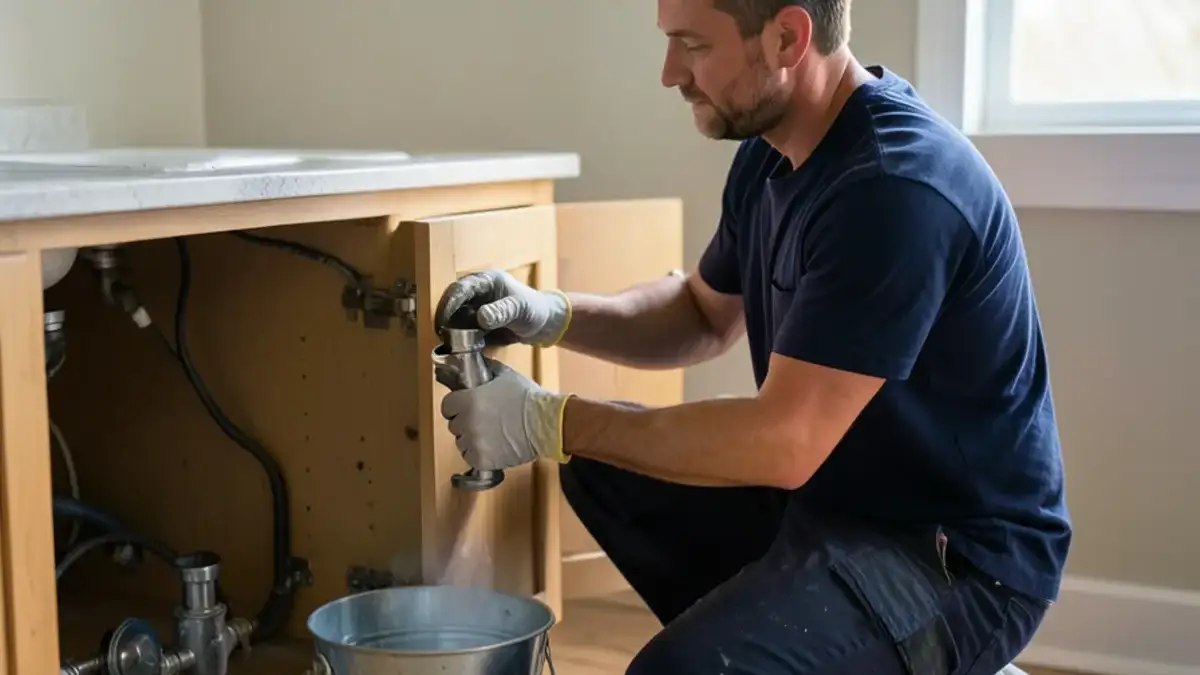
- Open the trap or access point. For sinks we remove the trap and check it. For floors we lift the grate. For a main line we find the cleanout.
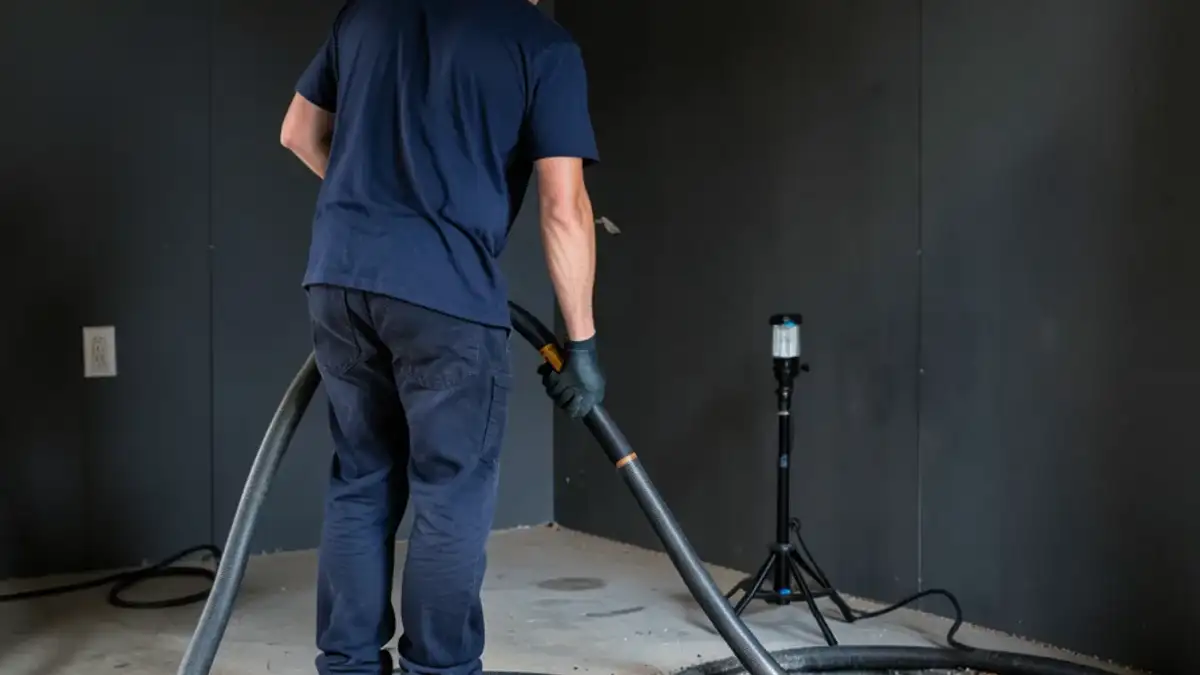
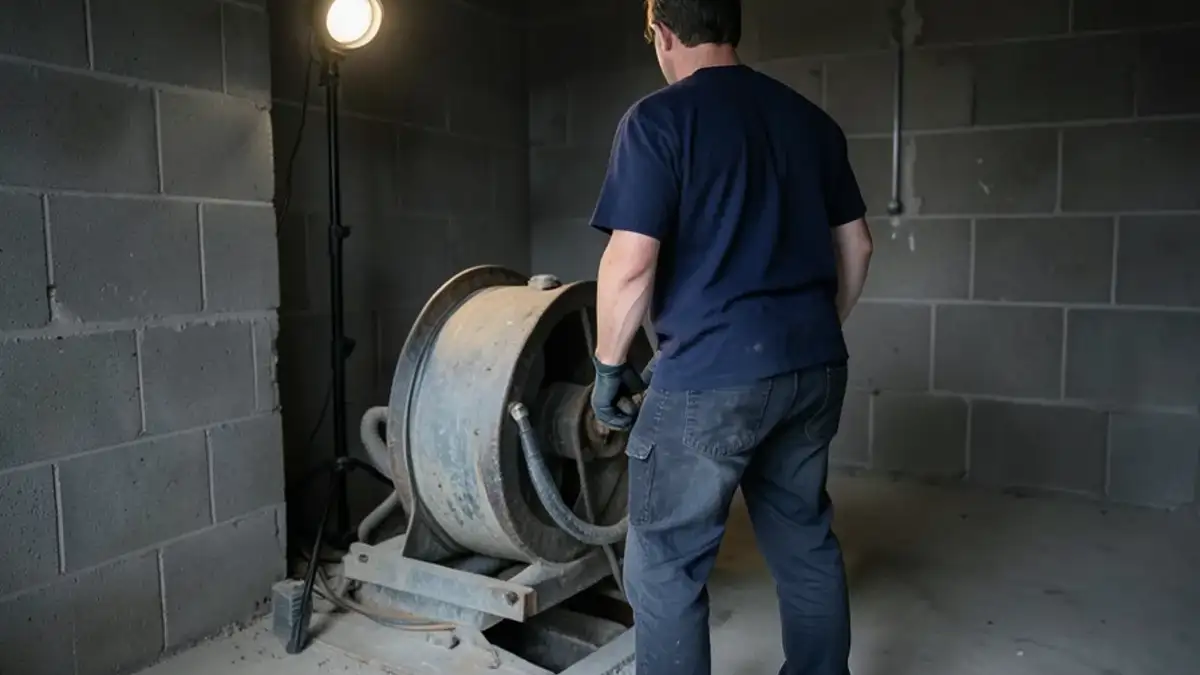
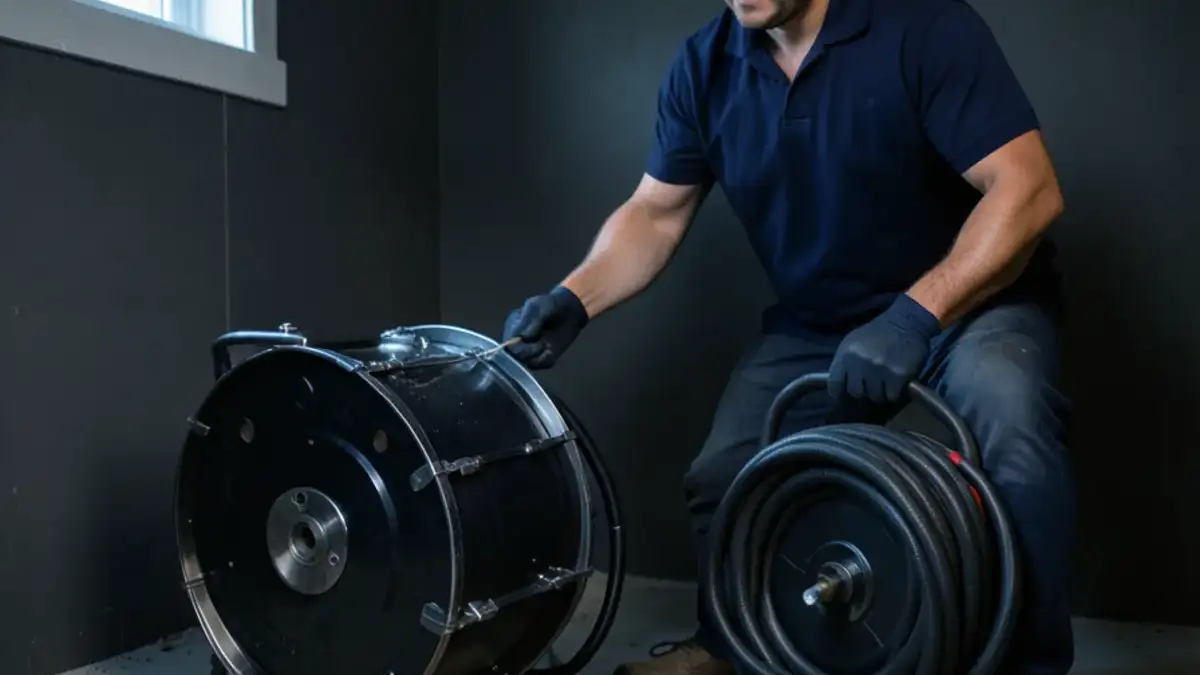
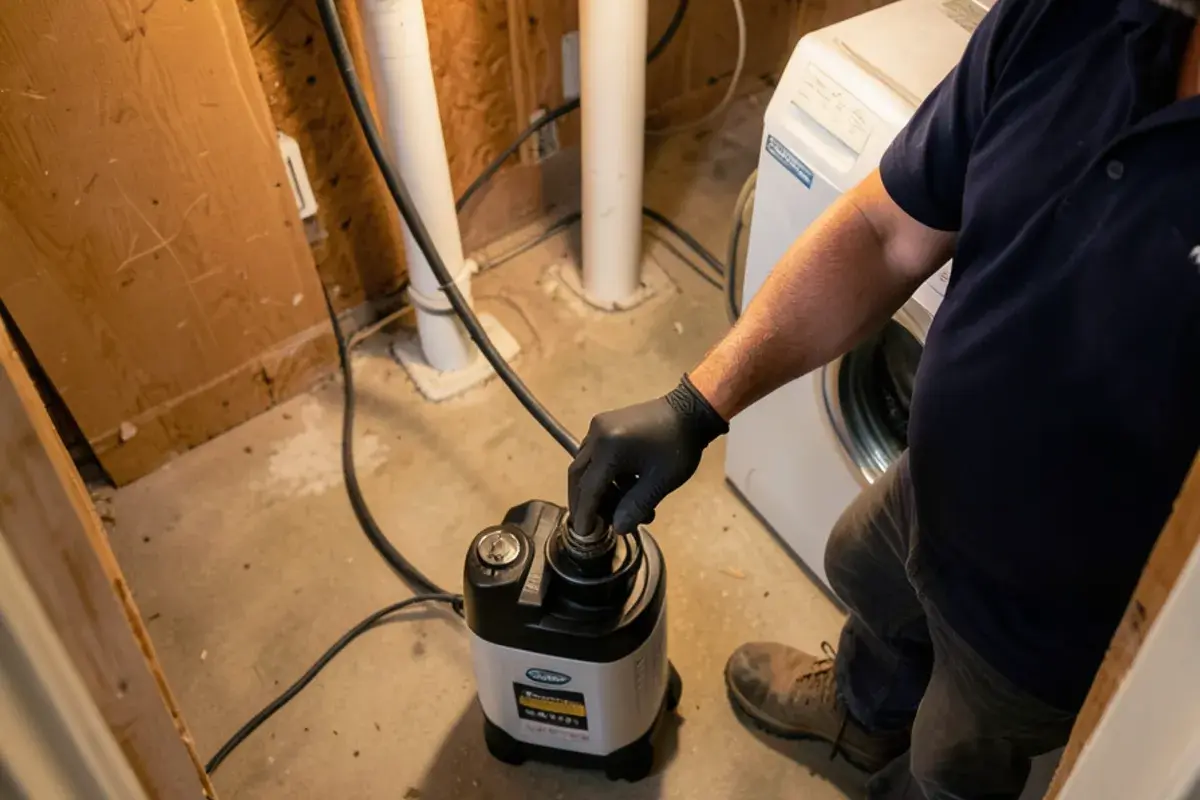
- Cable the line. A drain machine with a head sized to the pipe cuts or hooks the blockage. We keep the cable moving until the head runs clear to the next junction.
- Flush and test. We run water through the fixture and its neighbors to confirm a full flow.
- Show you the cause and explain. Grease, hair, roots or a foreign object each point to a different habit or repair.
Drain Cleaning in Washington Homes: Cast Iron Meets Plastic
Washington has two generations of drain pipe under its roofs. Census figures cited by Point2homes put the median home at 1978, with 13% of units from 1939 or earlier, and the single largest group, 21%, built from 2000 to 2009.
Older houses often have cast iron branch lines. Scale builds up inside iron over decades and narrows the bore, so a grease film catches more easily. Newer houses have plastic drains with smooth walls, and their clogs usually come from wipes, grease or too much paper. Neither is trouble-free, but each calls for a slightly different approach, and we choose the cable head to suit the pipe.
Who Can Work on Your Drains in Illinois?
Ask for the license number first. The Illinois Department of Public Health says anyone who plans, installs, repairs or maintains plumbing systems needs a license under the Illinois Plumbing License Law, 225 ILCS 320, and every plumbing ad must carry the number. IDPH's page does not name drain cleaning, so ask who holds the license, us included, and check it on the IDPH license lookup.
If a clog turns out to be a broken pipe, the fix falls under the Illinois Plumbing Code, 77 Ill. Adm. Code 890, and may need a City of Washington permit. A proposed city ordinance would also bar sump discharge into sanitary sewers, so check its status with the city.
What Changes the Price of a Drain Cleaning?
You get a clear, upfront quote before the cable goes in. These are the things that move it:
- Which line. A branch line is usually quicker than a main line.
- Access. A trap you can unscrew is easier than a tub drain or a buried cleanout.
- How far the clog is. More cable and more time for a long run.
- What it is. Grease and roots can take several passes. A dropped object may need retrieval.
- A follow-up. Hydro jetting or a camera look is a separate decision, and you make it after you see the cause.
- The day and hour. Ask whether a weekend call changes the quote.
Published figures for plumbing in this area are wide. Today's Homeowner estimates plumbing services in Washington at $104 to $346, and thecostin.com puts licensed Illinois plumbers at $75 to $130 per hour. Those are third-party estimates for general work, not our quote, and they are not specific to drain cleaning.
How Do You Keep Drains Open Afterward?
Small habits matter most.
- Wipe pans before washing and put grease in the trash, never down the sink.
- Use a hair catcher in the tub and shower.
- Run water in seldom-used floor drains every month or two.
- Flush only toilet paper.
- Call when two fixtures slow together.
Why Professional Sewer & Drain for This Work
A backed-up kitchen sink on a Saturday night
Sara A. wrote that we dropped everything late on a Saturday to clear her backed up kitchen sink, and called the price reasonable for the day, the hour and the speed.
Basement sink and upstairs tub at once
Nate B. had water coming up in a basement sink and an upstairs tub. He called Monty, who came right over and had it fixed. Two fixtures reacting together is the pattern of a shared line.
Reasonable pricing is a repeat theme
Seven Google reviews call the price reasonable or affordable, and you see a clear, upfront quote before we start.
Open seven days
Our Google hours cover 7:15 AM to 6:15 PM on all seven days of the week.
What Customers Say
4.8 out of 5 from 16 Google reviews, checked November 2026. Read all reviews
“Had water coming up from sink in basement and tub upstairs. Called Monty and he came right over. He did an awesome job and was very knowledgeable and professional. Very reasonably priced too. He had the problem fixed in no time. I highly recommend this company.”
“Just a superb experience in quality and customer service and price. Called these guys at 5:30p and they were here by 6:00p and Monte did his work in the dark by flashlight! Not only did he do a fantastic job he also educated us on how to prevent these problems from becoming a much bigger and more expensive issue. I would recommend this company to anyone, they are committed to doing a professional job, ensuring it is done right and with very affordable prices.”
“Monte and Hunter came out on a Sunday (morning no less!) to help us with a mess from a backed up sewer. Lots of roots! They used two different sized cutters with a monster snake and cleaned it out all the way to the city sewer. We'd had another "sewer service" a few weeks ago and the experience was night and day different. I definitely recommend them.”
Drain Cleaning Questions
Why is only one drain clogged when the rest of the house runs fine?
Is it safe to pour drain cleaner down a clogged drain before you come?
My basement floor drain smells but is not clogged. What is wrong?
Will cleaning damage my old cast iron drain pipes?
How long does it take to clear a drain?
Why does the same drain keep clogging every few months?
Drain Cleaning in Washington? Call (209) 563-1400
Open 7 days, 7:15 AM to 6:15 PM. Tell us what is happening and we will give you a clear, upfront quote.
Where We Provide This Service
We clear drains in homes across Tazewell and Woodford counties from our base in Washington. Established houses in Morton and East Peoria often have cast iron branch lines that scale up over decades, while newer bluff-top homes in Germantown Hills have plastic drains that clog from grease and wipes instead. Phone ahead and we will confirm whether your address is within reach.
- Morton: Established Morton streets often hide scaled cast iron branches.
- East Peoria: Low riverside ground makes a gurgling floor drain worth checking.
- Germantown Hills: Newer plastic drains here clog from grease and wipes, not scale.
- Metamora: An 1836 core and new subdivisions mean drain age varies.
- Sunnyland: A short Route 8 drive from our Wilshire Drive base.
- Peoria: One in five homes predates 1940, so iron drains run scaled.
- Creve Coeur: A 1955 median build year means decades of drain buildup.
- Bartonville: 1950s houses and corridor shops share the same clog patterns.