Hydro Jetting in Washington, IL
High-pressure water cleans the whole pipe wall, but only pipes that can take it.
- 4.8 on Google, 16 reviews
- Open 7 days, 7:15 AM to 6:15 PM
- Based in Washington, IL
- Google reviews going back 10 years
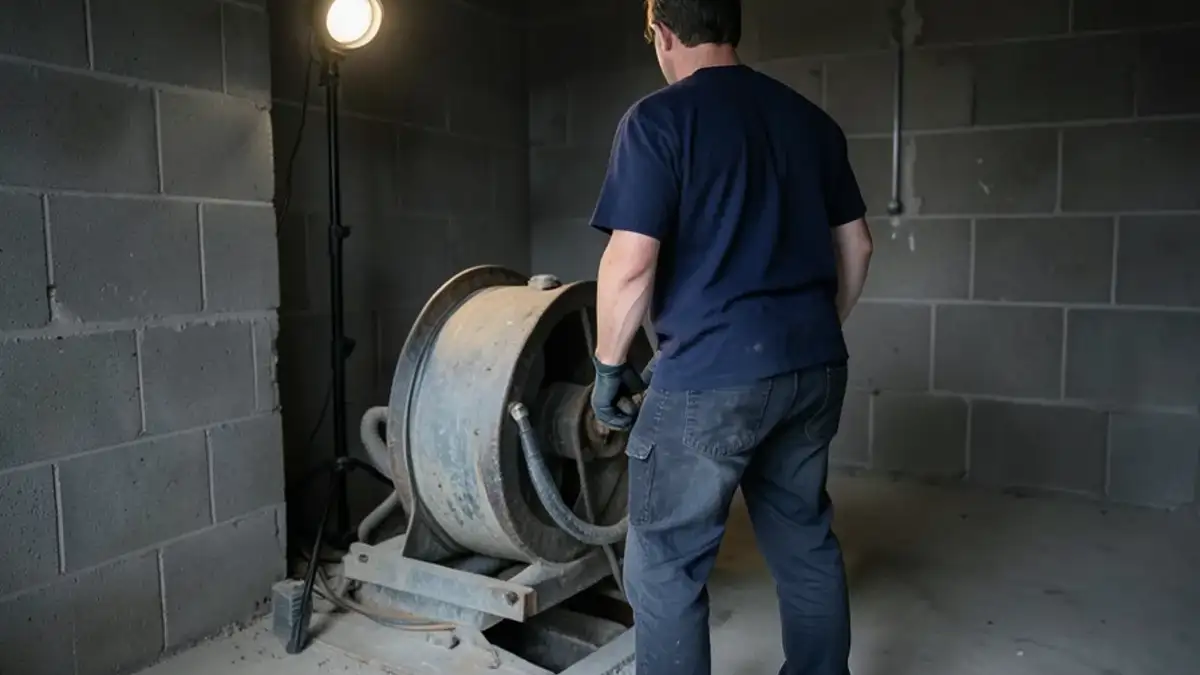
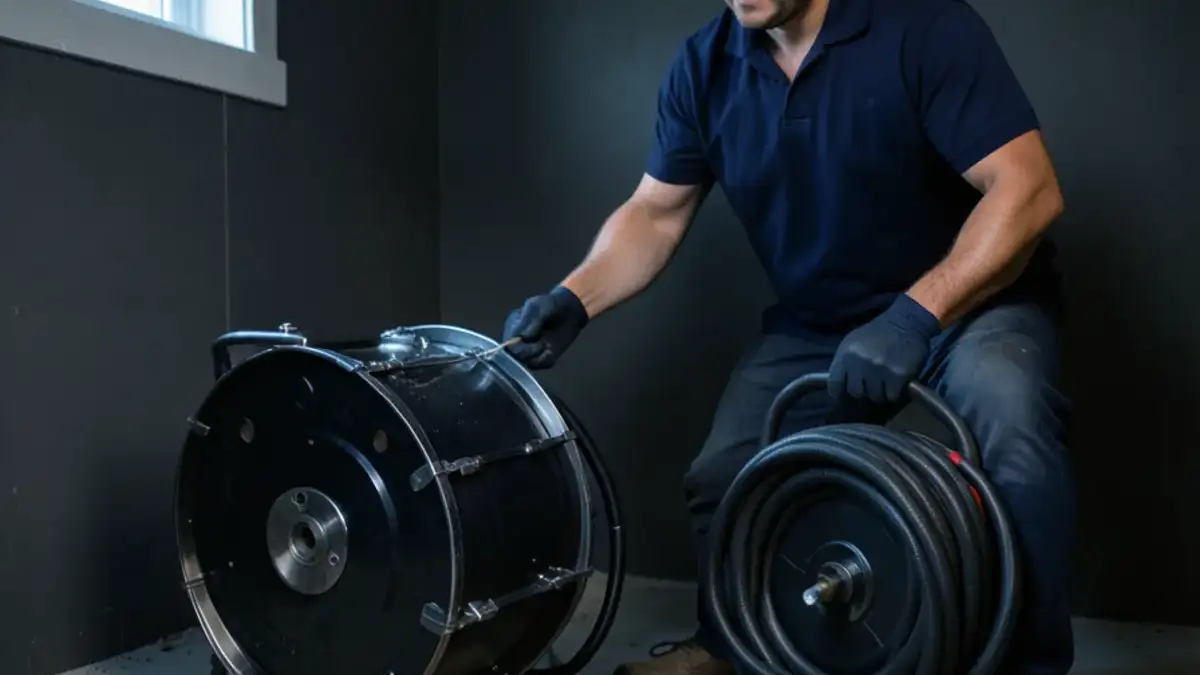
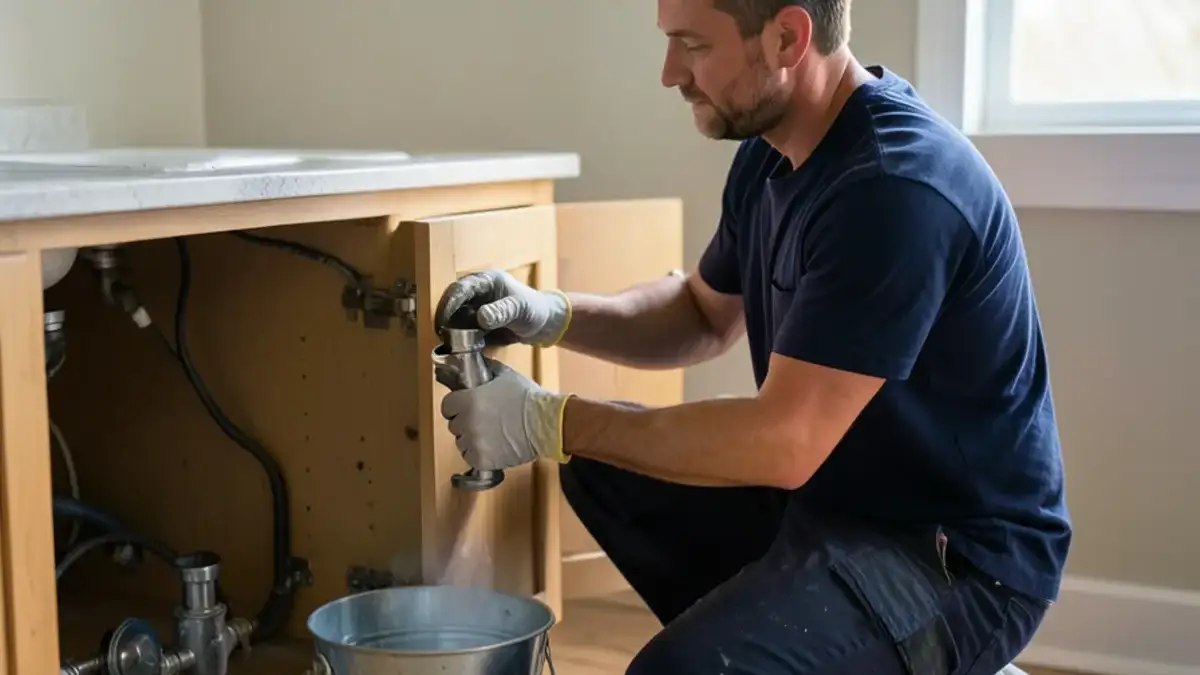
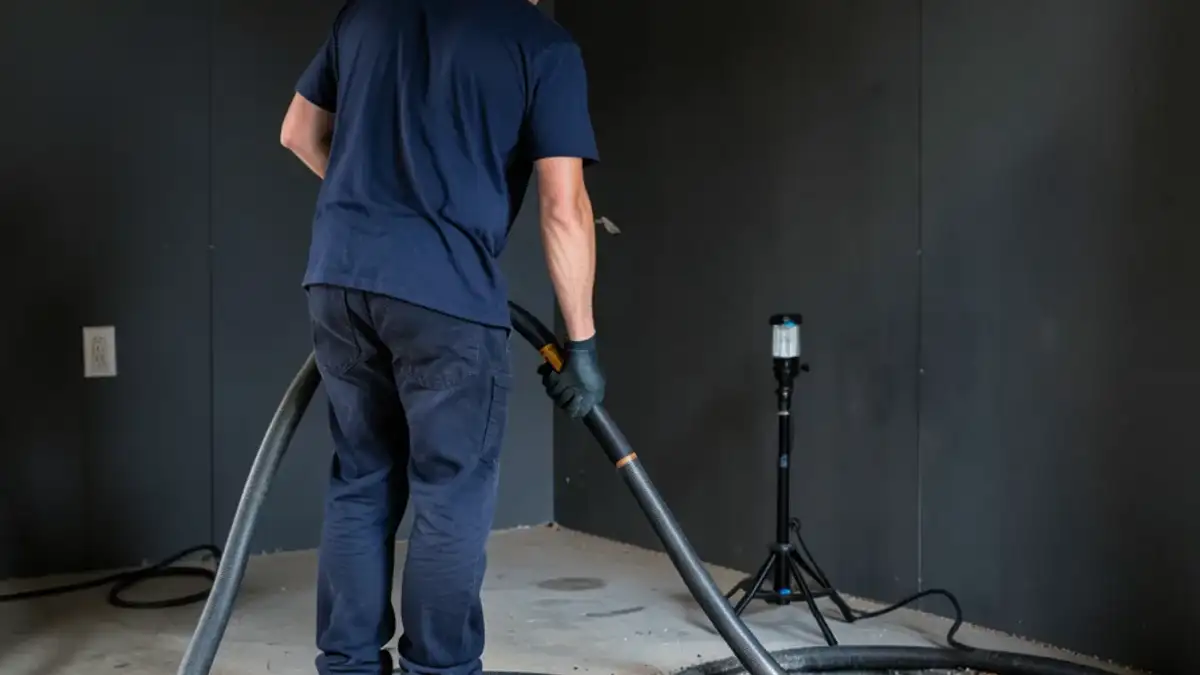
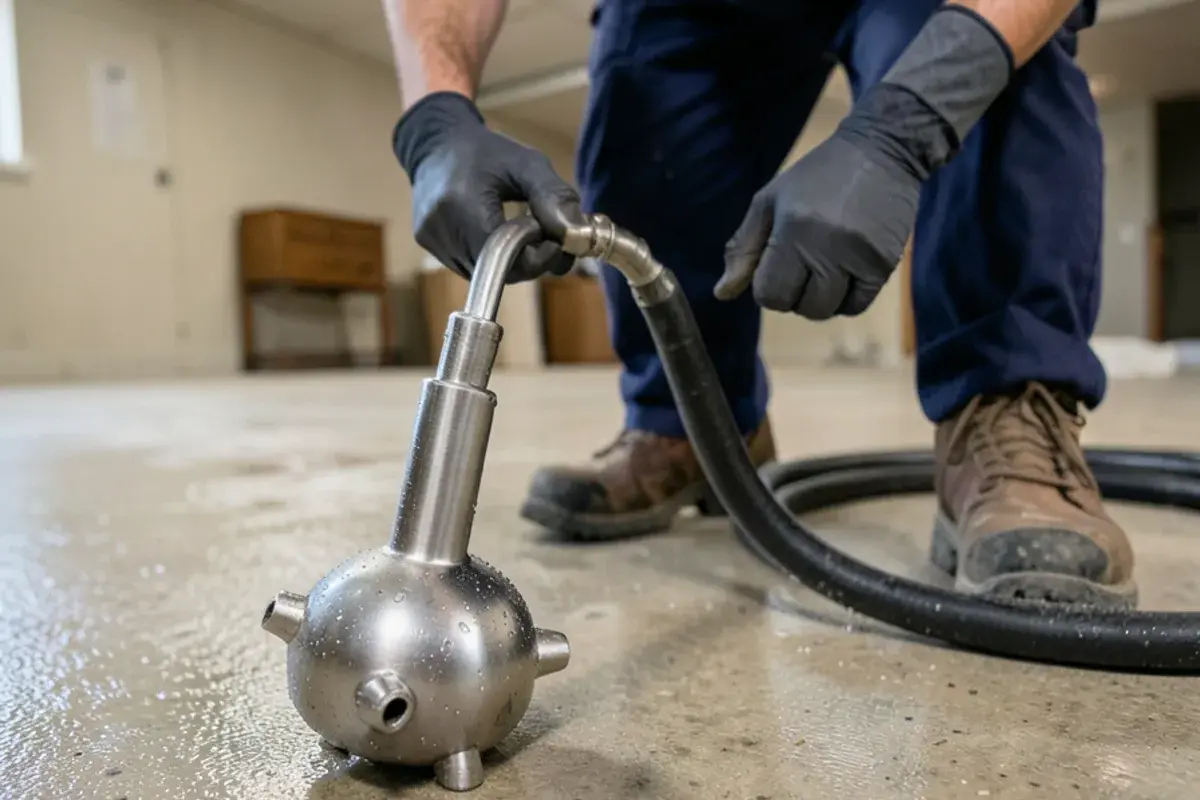
Hydro jetting in Washington, IL cleans a drain with water at high pressure, scouring grease, scale and sludge off the pipe wall instead of punching a hole through a clog. It suits greasy plastic and sound iron, but it is the wrong tool for the cracked or failing older pipe found here, so we look before we jet.
Grease, Scale or Sludge: When Does Jetting Beat a Cable?
Jetting beats a cable when the problem is buildup on the pipe wall, not a plug in the middle of it. A cable cuts a channel. A jetter cleans the whole circle of the pipe and flushes the debris away.
The three buildups jetting handles best:
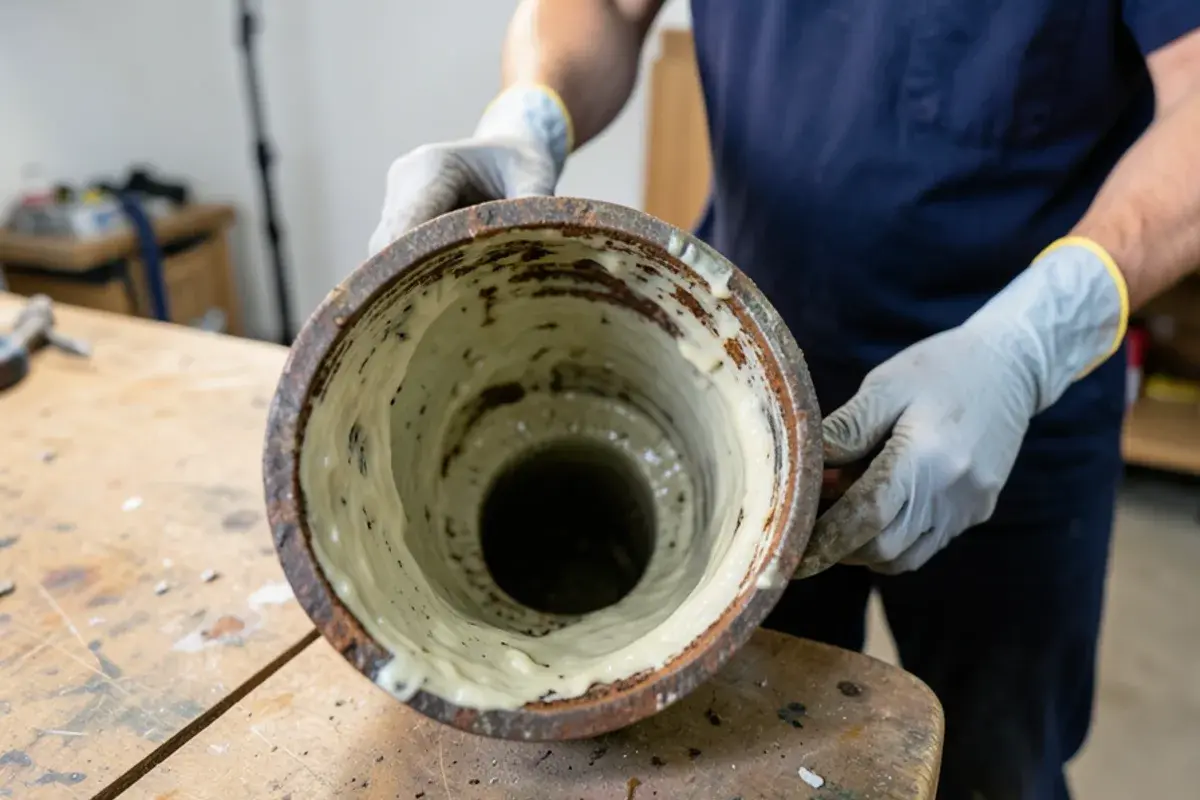
- Grease. Kitchen fat cools into a pale film that coats the pipe and catches food scraps. A cable can punch through it and leave most of the film behind.
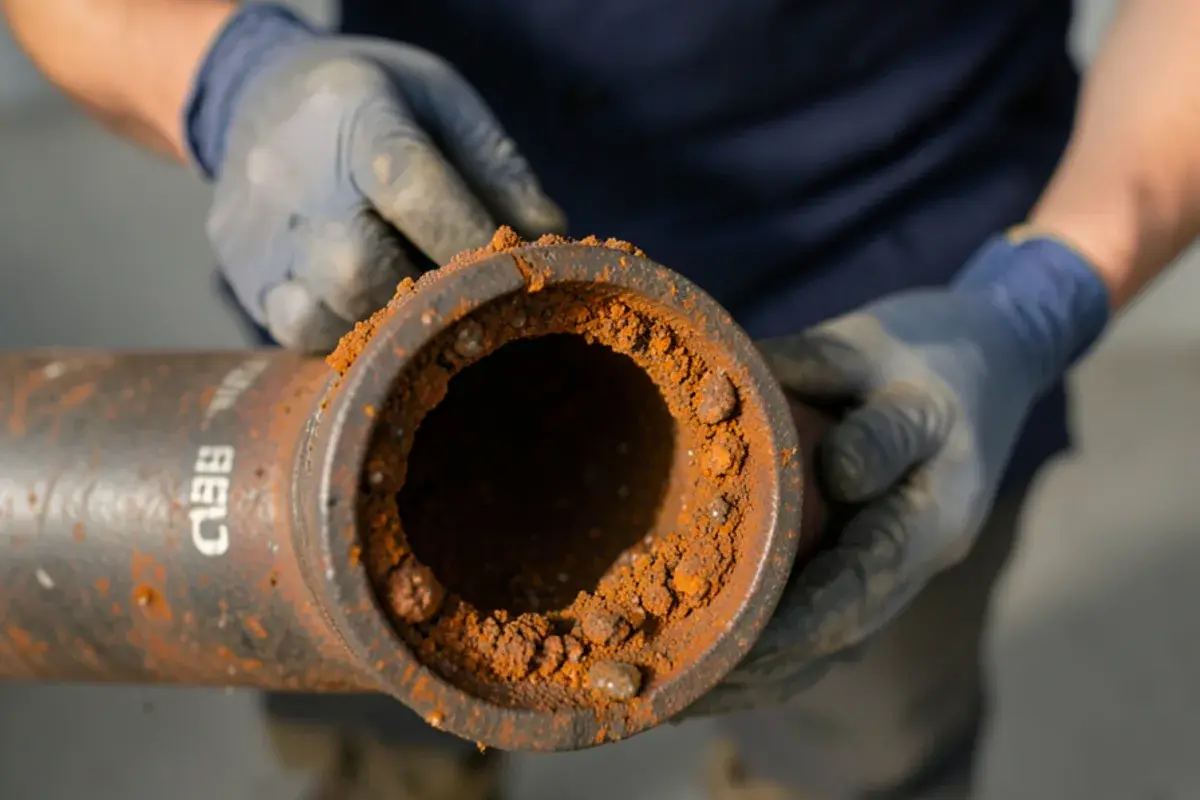
- Scale. Cast iron rusts from the inside and grows rough nodules that narrow the bore. Water at pressure can scour loose scale, though pipe that is thin from rust may not survive it.
- Sludge. Soap, silt and lint settle into a soft layer in slow-moving lines, especially in flat runs.
What a Jetting Job Covers
A jetting job covers one defined run, usually from a cleanout to the city sewer or from a branch to the main. The quote should name that run, because a short kitchen line and a whole lateral are different work. Ask where the run stops, since buildup beyond that point stays put. It includes:
- A pipe check. The history first, and a camera where the pipe is old or unknown.
- Setup. An opened access point and a protected floor.
- Nozzle and pressure. Both matched to pipe size, material and buildup.
- Wall-to-wall cleaning. The hose runs out, then pulls back slowly along the pipe.
- A flow test. Fixtures run to confirm the line carries a full stream.
It does not include pipe repair, and thick roots usually need a cable first. Grease interceptor pumping at a business is a separate service, so ask who handles it before we book the visit.
How Hydro Jetting Differs From Using a Cable
A cable is a mechanical tool, and a jetter is a water tool. They answer different problems.
| Cable machine | Hydro jetting | |
|---|---|---|
| How it works | A rotating steel cable with a cutting or hooking head | A hose and nozzle that blasts water against the pipe wall |
| Best against | Roots, hard blockages, a plug of paper or an object | Grease, scale, sludge and fine debris |
| What it leaves | A channel through the blockage and some film on the wall | A cleaned wall, with debris flushed downstream |
| Risk to pipe | Lower with the right head | Higher in cracked, offset or thin pipe |
| Needs | A cleanout or open fixture | A cleanout or large opening, and a place for water to go |
We often start with the cable because it restores flow quickly, then decide on jetting once we know what the pipe looks like. Our post on snaking vs hydro jetting goes further into the choice.
When We Will Not Jet a Line
Some pipes cannot take the force, and jetting them turns a clog into a break. We hold off, or switch to a cable, in these cases:
- Cracked or broken clay or cast iron. Water at pressure widens a crack and can wash out the soil around it.
- Offset or separated joints. The nozzle can catch an edge or push water into the soil.
- A collapsed or severely bellied section. Jetting will not reopen it and may spread damage.
- Fragile older materials or unknown pipe. If we do not know what is under the house, we find out first.
- No safe way to drain the water. If there is no cleanout and the flow could back out of a lower fixture, we do not start.
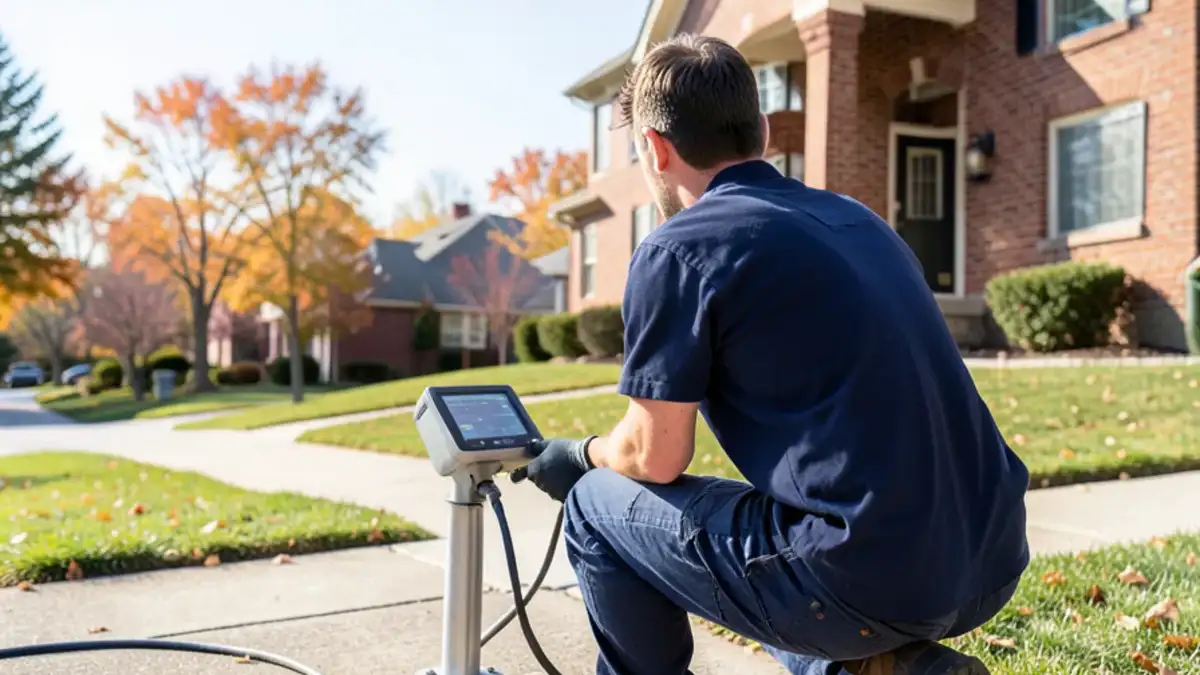
The first step is often a camera. A look inside shows whether a line is sound enough for jetting, and our sewer camera inspection page explains what that involves. If the camera finds a failing section, a sewer line repair is the next conversation, not more pressure.
Greasy or slow drain lines in your house? Call (209) 563-1400
Open 7 days, 7:15 AM to 6:15 PM. Tell us what is happening and we will give you a clear, upfront quote.
Request a Quote
Water moving right now? Call first: (209) 563-1400. For anything that can wait, send the details here.
What Happens During a Jetting Visit?
- Learn the history. Which fixtures are slow, how old the pipe is and what has been tried.
- Check the pipe. Where the history is thin or the pipe is old, we look with a camera first.
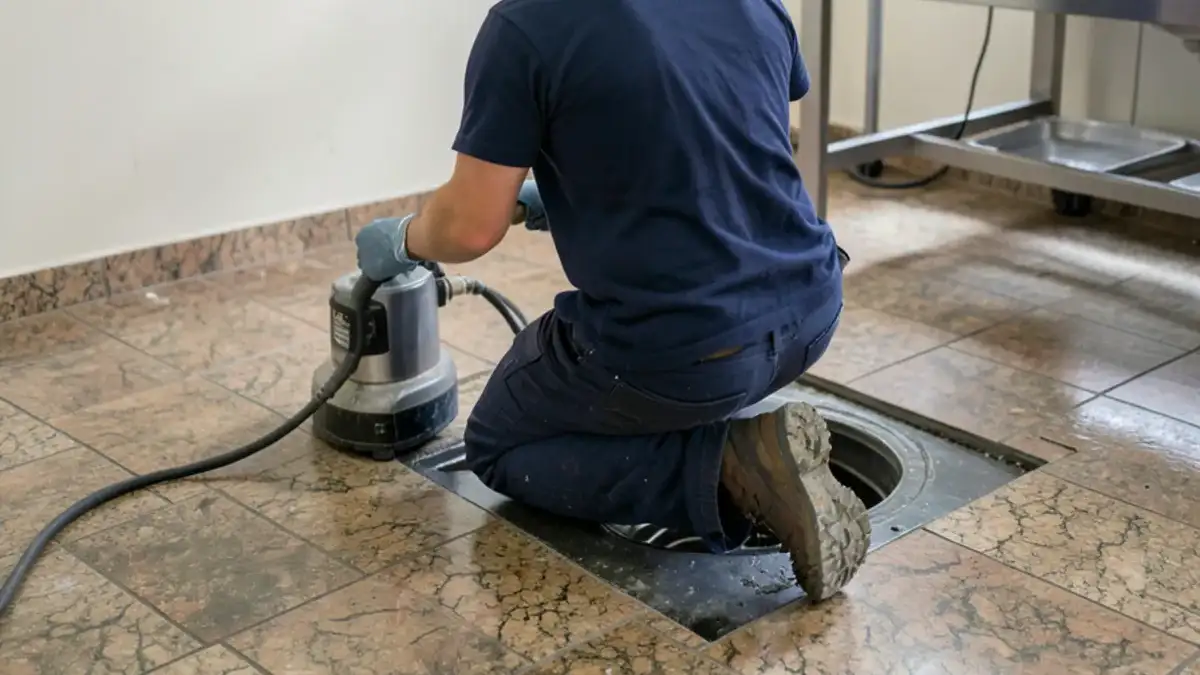
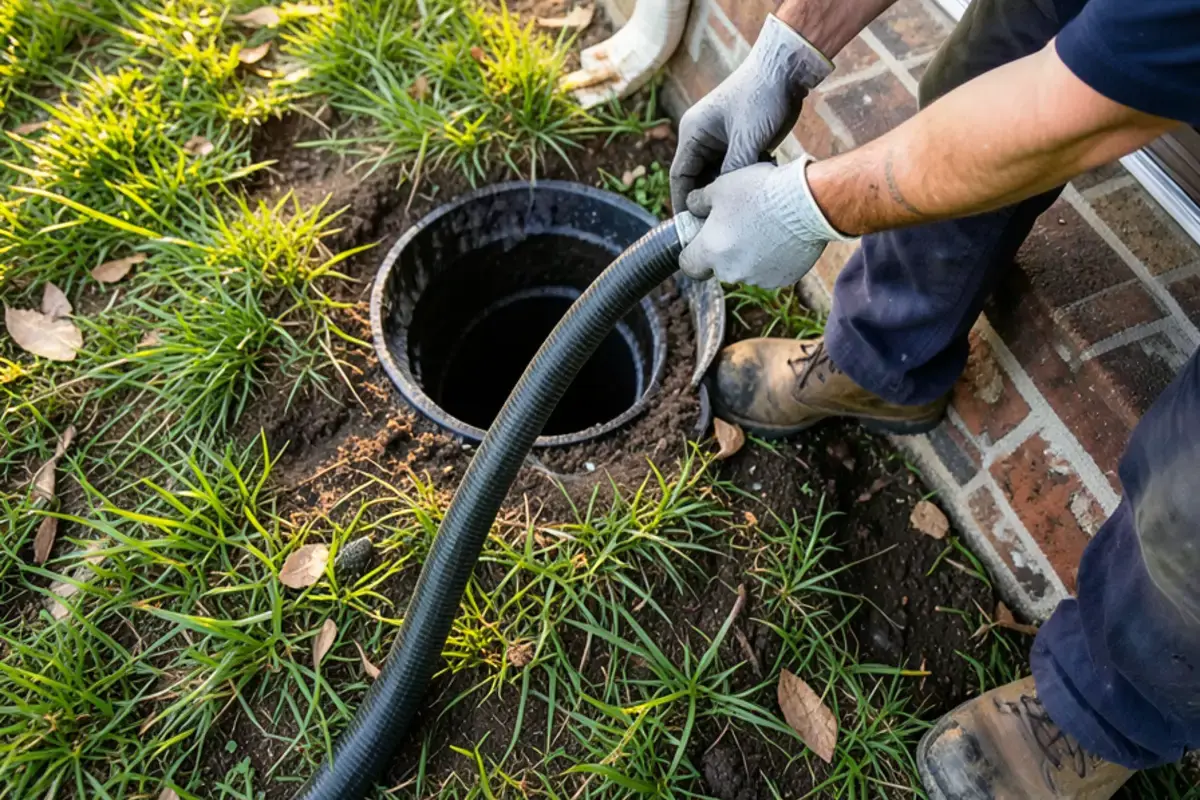
- Set up access. We open the cleanout, or the largest drain opening available, and protect the floor.
- Choose the nozzle. The nozzle and the pressure are matched to the pipe size, material and buildup.
- Work the hose in stages. The nozzle pulls the hose forward as the water scours, and we pull back slowly to clean the wall on the way out.
- Flush, check and explain. We run the fixtures, camera the line again where it helps, and talk about what goes down your drain.
Hydro Jetting in Washington: What Our Pipes Call For
Pipe age decides how often we reach for a jetter. Census figures cited by Point2homes put 13% of Washington housing units at 1939 or earlier, and a median build year of 1978. Houses of the older group often have cast iron that has scaled for decades, and a camera should come before pressure. Houses from the 2000s, the largest decade at 21%, have smooth plastic drains that clog with grease and wipes, and these handle jetting well.
Winter changes the picture. Cold season runs from about December 1 to March 1, with highs under 43°F, and grease hardens faster in a cold line. A kitchen line that was fine in July can slow in January.
Which Rules Cover Jetting a Drain?
The Illinois Plumbing Code, 77 Ill. Adm. Code 890, governs drain systems, and IDPH says anyone who repairs or maintains plumbing systems needs a license under 225 ILCS 320. Its page does not name jetting, so ask who holds the license and check it on the IDPH lookup.
Septic systems are different. Private sewage systems are regulated separately by the Illinois Department of Public Health. We work on house drains and the pipe up to the system, and septic pumping is a separate licensed trade.
If jetting exposes a failed section, the repair may need a City of Washington permit, so confirm with the city before work starts.
What Moves the Price of Hydro Jetting?
Expect a clear, upfront quote before the hose goes in. The main factors:
- Pipe size and length. A 4-inch main line to the street is a bigger job than a 2-inch branch.
- Access. A clean, reachable cleanout saves time.
- The buildup. Heavy grease or scale takes more passes.
- Water and cleanup. Where the water can go and how much floor protection the setup needs both add time.
- A camera look first. This is a separate step, and you decide after you see what it finds.
- Residential or commercial. A restaurant line carries different loads from a house. See commercial drain service for scheduled cleaning.
We do not quote a figure here, because the pipe decides the job. Thecostin.com's $75 to $130 per hour for Illinois plumbers is a general labor figure, not a jetting price and not our quote. Ask for the quote to separate the camera, the jetting and any follow-up.
How Do You Keep Lines From Building Up Again?
Jetting works best when the cause stops.
- Keep fat, oil and grease out of the sink. Wipe pans and put grease in the trash.
- Do not flush wipes, whatever the package says.
- Run a camera on a line that builds up fast, to look for a belly or a rough joint.
- Ask us about a cleaning interval if the line builds up despite good habits.
Why Professional Sewer & Drain for This Work
We pick the tool for the pipe
Terry S. wrote that two different sized cutters on a large snake cleaned his root-clogged line to the city sewer. Cable suits roots, and jetting is for what cable leaves behind.
You hear why it clogged
Jason P. and Roben V. each wrote that we explained how to head off the next problem. With grease, that explanation separates a one-time jetting from a yearly one.
Maintenance, not a one-off
Laurie H. had us out on a Sunday afternoon and wrote that she plans to book maintenance. Lines with buildup often need a cleaning rhythm, and jetting can set the interval.
Seven days on the calendar
Our Google profile shows 7:15 AM to 6:15 PM daily. Ask by phone whether jetting suits your line before you book.
What Customers Say
4.8 out of 5 from 16 Google reviews, checked November 2026. Read all reviews
“Just a superb experience in quality and customer service and price. Called these guys at 5:30p and they were here by 6:00p and Monte did his work in the dark by flashlight! Not only did he do a fantastic job he also educated us on how to prevent these problems from becoming a much bigger and more expensive issue. I would recommend this company to anyone, they are committed to doing a professional job, ensuring it is done right and with very affordable prices.”
“Called at 4pm, clean out was finished by 7:30! Very reasonably priced. Monty was great!”
“I am so thankful for Monte coming out during the coldest day with blizzard conditions with same day service. He was very kind and worked quickly to rectify issues with plumbing and gave suggestion for future work that needs to occur to prevent any further issues. His services are very reasonable given the work that he did. I will always use him for any issues in the future. Thank you for all that you did for us today and so thankful that you got home safe!”
Hydro Jetting Questions
What is the difference between hydro jetting and snaking?
Is hydro jetting safe for old pipes?
Will hydro jetting get rid of tree roots?
Can hydro jetting prevent my kitchen line from clogging with grease?
How does hydro jetting work with a septic system?
Do restaurants and businesses need jetting?
Hydro Jetting in Washington? Call (209) 563-1400
Open 7 days, 7:15 AM to 6:15 PM. Tell us what is happening and we will give you a clear, upfront quote.
Where We Provide This Service
We jet drain lines from our Washington base across Tazewell, Woodford and Peoria counties. Older cast iron lines in Peoria and Pekin tend to be scaled and need a camera before any jetting, while Morton has a mix of established and newer homes where grease buildup is the common reason. Phone first to learn if your address is within our reach.
- Peoria: Scaled iron in pre-1940 Peoria homes gets a camera before any pressure.
- Pekin: Pekin's 1950s and older drains often need a look first.
- Morton: Newer Morton kitchens build grease film that jetting removes well.
- Dunlap: A 1996 median build year points to smooth pipe that jets well.
- Goodfield: Mostly newer homes here, on a village sewer built in 1980.
- Eureka: Eureka's rentals and college-town kitchens can build grease quickly.
- Germantown Hills: Homes near 2001 vintage have smooth pipe suited to jetting.
- Bartonville: Corridor businesses with kitchens may need scheduled grease-line jetting.