
Sewer Camera Inspection in Washington, IL
A camera on a cable shows what is inside the pipe before anyone digs or signs.
- 4.8 on Google, 16 reviews
- Open 7 days, 7:15 AM to 6:15 PM
- Based in Washington, IL
- Google reviews going back 10 years
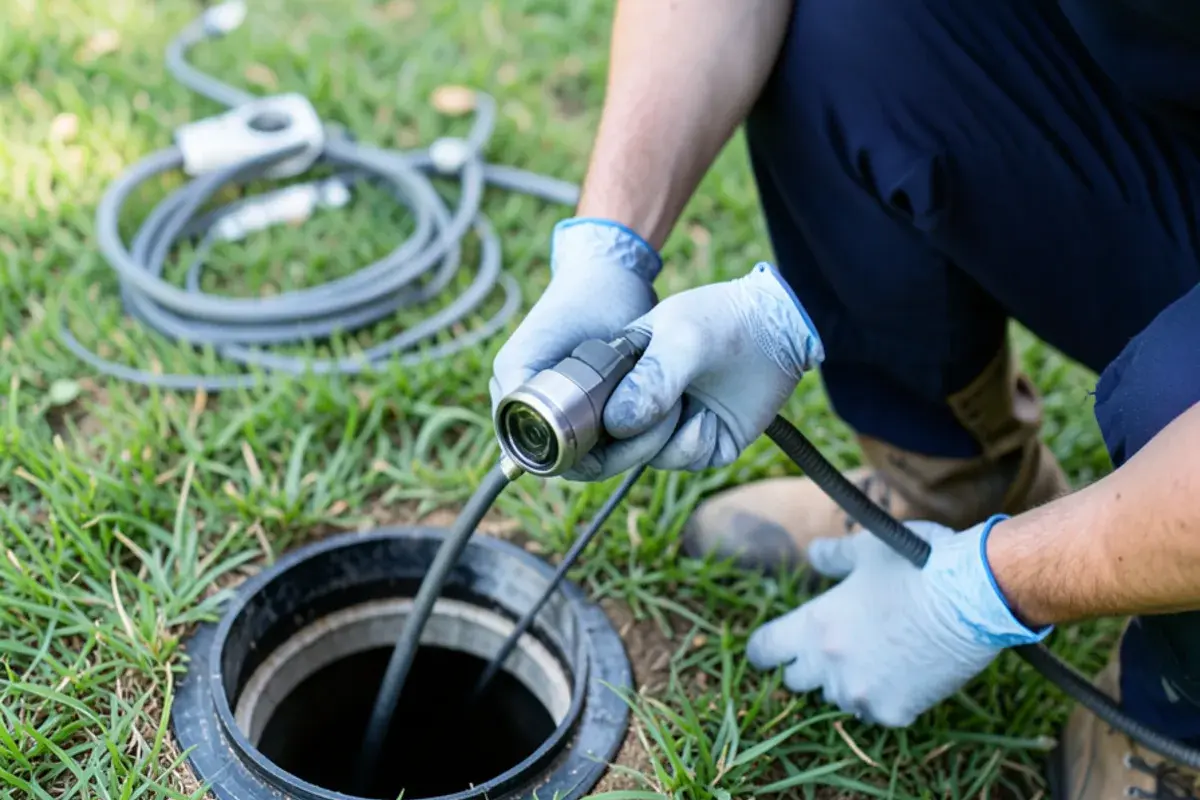
A sewer camera inspection in Washington, IL sends a small waterproof camera through your sewer line and shows cracks, roots, offsets and bellies on a monitor. It matters here because an older clay lateral can sit under a newer or rebuilt home. Scope before you buy, after a repeat clog and before you pay for digging.
When Should You Scope a Sewer Line?
Scope the line whenever you are about to make a decision that depends on its condition. These are the three common moments:
- Buying a house. The sewer lateral is out of sight, and a failed one can cost more than most repairs inside the house. A scope during your inspection window turns an unknown into a number you can negotiate.
- After a clog that keeps coming back. Cleaning removes what is inside the pipe. A camera shows why it keeps returning, whether roots, a belly or a cracked joint.
- Before digging or planting. Knowing where the line runs and how deep prevents damage to it, and shows whether a repair is needed before you pave or build over it.
Sewer Camera Inspection in Washington: What Our Housing Mix Means
Washington's housing stock runs from old to new, and the sewer under each is different. Point2homes, citing Census data, shows 13% of units dating to 1939 or earlier, a median year built of 1978, and the largest decade at 2000 to 2009. Homes of the oldest group were often built with clay tile or cast iron, and joints in both can admit roots.
The EF4 tornado of November 17, 2013 destroyed hundreds of Washington homes, and many were rebuilt from 2014 on. A newly built house may sit on a lateral that is older than the house.
What Does a Scope Include, and What Does the Footage Show?
A scope covers the sewer from the access point toward the city connection, with you watching if you like. It includes:
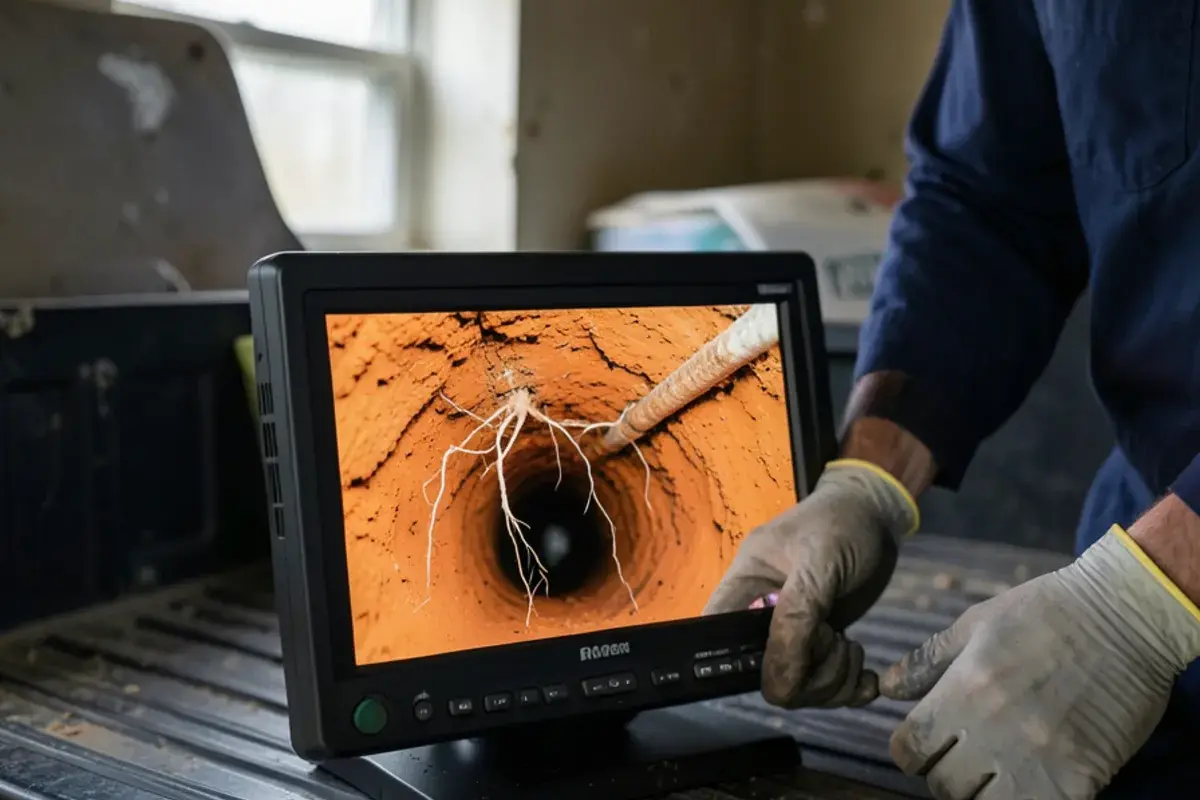
- A live run of the line on a monitor, one length at a time
- Each defect noted with how far along the line it sits
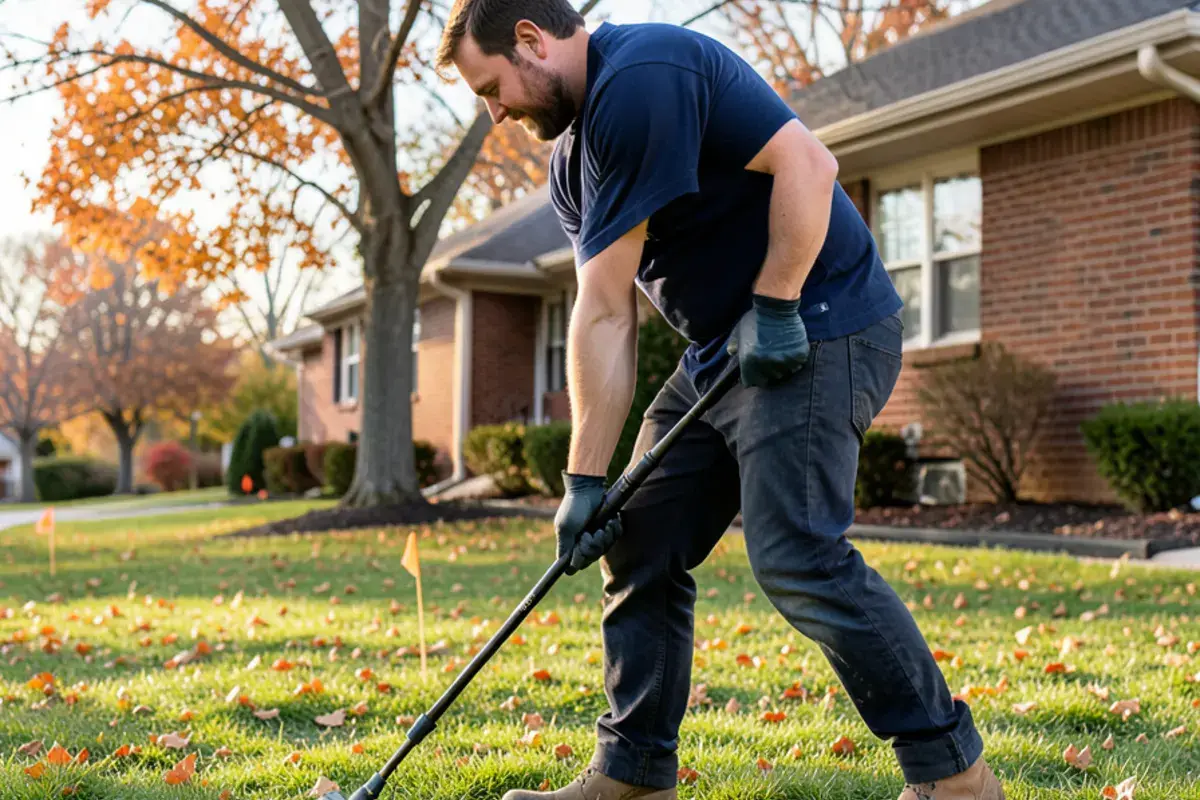
- The pipe's path and depth, traced with a locator and marked on the surface
- A plain read of the results, including what is urgent and what can wait
- A record for your files. Ask what format you need before we book.
These are the findings that matter:
| Finding | What it means |
|---|---|
| Roots at joints | Roots found a way in. Cutting helps, a repair stops them. |
| Cracks and breaks | The pipe wall has failed at that point. |
| Offset or separated joints | Sections no longer line up, which catches solids and admits roots. |
| Belly (a sag) | Water and waste pool instead of draining. |
| Scale or grease | Buildup that narrows the pipe. Cleaning or jetting addresses it. |
| Collapsed section | The pipe has lost its shape. This one needs digging. |
Need a look inside your sewer line? Call (209) 563-1400
Open 7 days, 7:15 AM to 6:15 PM. Tell us what is happening and we will give you a clear, upfront quote.
Request a Quote
Water moving right now? Call first: (209) 563-1400. For anything that can wait, send the details here.
What a Sewer Camera Cannot Do
A camera is a good tool with clear limits. Know them before you rely on the footage.
- It cannot see through a blockage. Roots, grease or standing sewage stop the picture.
- It cannot measure pipe strength. It shows the surface, not how thick or brittle the wall is.
- It cannot predict failure. It records today's condition only.
- It cannot go past what stops the cable. A tight turn or a collapse ends the run.
- It does not inspect supply pipes. For hidden supply leaks, see leak detection and repair.
- It cannot clear the city main. It shows the connection and a short stretch, nothing more.
How Does a Scope Visit Go?
Plan the visit so the footage answers your questions:
- Tell us why you are scoping. A buyer needs different documentation than a homeowner chasing a repeat clog.
- Open the access. We find the cleanout and decide whether the line needs clearing first.
- Hold off on water. Skip laundry and flushing while we scope, since water in the pipe hides the view.
- Run the camera. The head travels the line while you watch the monitor and ask what each finding means.
- Trace the path. A locator marks the route and depth on the surface where it helps.
- Ask for the footage. Before you book, ask what we can provide for your records.
What Happens If the Camera Finds a Problem?
You decide next, with the footage in front of you. A clear line needs no action beyond a note in your records. Roots or buildup call for sewer line cleaning or root removal. A cracked, offset or collapsed section points to sewer line repair, and the camera also shows whether the repair can avoid a long trench.
What Rules Apply After the Scope?
A camera changes nothing in the pipe, so the rules start with what comes next. Sewer repair falls under the Illinois Plumbing License Law, 225 ILCS 320, and the Illinois Plumbing Code, 77 Ill. Adm. Code 890. Check any repair contractor on the IDPH license lookup. The city's inspection line, (309) 444-1122, can say whether a fix needs a permit. Before digging, JULIE lists two working days' notice (811 Before You Dig). JULIE marks member utilities, so your own lateral may stay unmarked, which is where a locator trace helps. A proposed Washington ordinance would allow city inspection of private laterals, so check its status with the city.
Who Pays for a Sewer Camera Inspection?
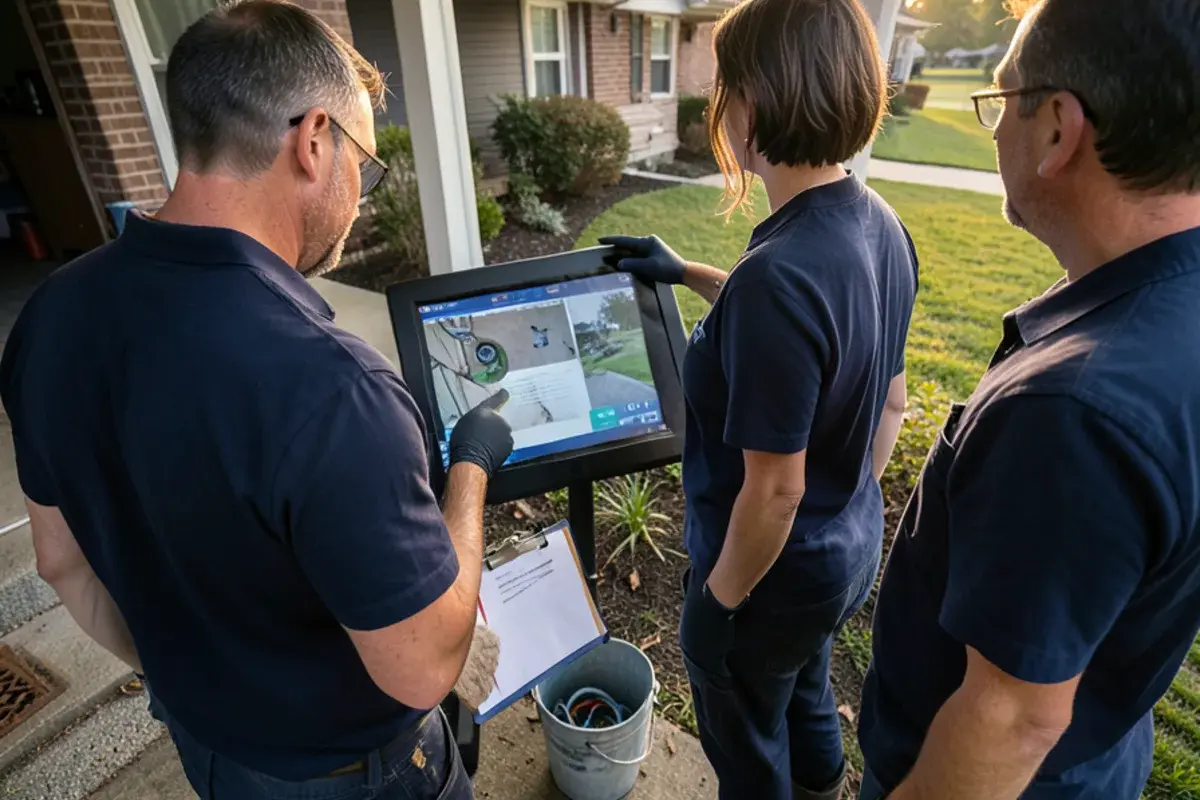
The person who orders the scope pays for it. For a home purchase, that is usually the buyer, as part of due diligence. If the footage shows a defect, the buyer may ask the seller for a repair or a credit, and that is a negotiation between you, your agent and the seller. For a homeowner, the scope is part of finding the cause of a clog or planning a repair.
We give a clear, upfront quote before the camera goes in, and you can ask for it in writing. Four things move it: how easily we reach the cleanout, the length of the run, whether the line must be cleaned first, and whether you want the path marked. A scope done alongside a cleaning is priced as its own step, so each part stays visible. Check the inspection window in your purchase contract with your agent or attorney, since it sets the deadline.
Why Professional Sewer & Drain for This Work
Seeing is cheaper than guessing
Angela S. wrote that her sewage line was at least 10 years past needing attention. A camera finds a problem like that before it becomes an emergency.
Findings turn into a plan
Roben V. wrote that Monte suggested future work to prevent further problems. Footage from a camera makes that kind of advice specific.
We explain what we see
Jason P. wrote that Monte taught his household how to keep a problem from growing into a costlier one. We walk through your footage in the very same spirit.
Open seven days
Our Google profile lists 7:15 AM to 6:15 PM daily, so a buyer on a short inspection window can call any day.
What Customers Say
4.8 out of 5 from 16 Google reviews, checked November 2026. Read all reviews
“Just a superb experience in quality and customer service and price. Called these guys at 5:30p and they were here by 6:00p and Monte did his work in the dark by flashlight! Not only did he do a fantastic job he also educated us on how to prevent these problems from becoming a much bigger and more expensive issue. I would recommend this company to anyone, they are committed to doing a professional job, ensuring it is done right and with very affordable prices.”
“Monte and Hunter came out on a Sunday (morning no less!) to help us with a mess from a backed up sewer. Lots of roots! They used two different sized cutters with a monster snake and cleaned it out all the way to the city sewer. We'd had another "sewer service" a few weeks ago and the experience was night and day different. I definitely recommend them.”
“Gary at Professional Sewer & Drain Services successfully bailed me out of a backed up sewer multiple times. Great guy and reasonable rates - very trustworthy!”
Sewer Camera Inspection Questions
How long does a sewer camera inspection take?
Do I need the line cleaned before the camera goes in?
Can the camera find the sewer line in my yard?
Can a camera inspection tell me if the sewer will fail next year?
Should I get a sewer scope before buying a house in the Washington area?
Sewer Camera Inspection in Washington? Call (209) 563-1400
Open 7 days, 7:15 AM to 6:15 PM. Tell us what is happening and we will give you a clear, upfront quote.
Where We Provide This Service
We scope sewer lines in homes around our Washington base. Buyers in Morton and East Peoria often want a look at a lateral under mature trees, and older houses in Metamora and Peoria are where clay and cast iron are most likely. Call first and we will say whether we can reach you before your inspection window closes.
- Morton: Mature trees over older Morton laterals make a pre-purchase scope sensible.
- East Peoria: Footage shows bellies in low, once-swampy East Peoria ground.
- Metamora: Metamora's oldest homes may hide clay or cast iron laterals.
- Peoria: A 1966 median build year leaves many Peoria laterals unseen for decades.
- Pekin: A fifth of Pekin homes predate 1940, so scope before closing.
- Peoria Heights: Bluff-top 1950s houses here are worth a look before buying.
- Creve Coeur: Footage helps separate your pipe from Creve Coeur's aging village sewer.
- Sunnyland: Rebuilt Sunnyland-area homes may still sit on older laterals.
- El Paso: A third of homes predate 1940, so scope the lateral before you buy.