Comparison and decision guides
Snaking vs Hydro Jetting: Which Does Your Drain Need?
Published November 1, 2026. Updated November 1, 2026.
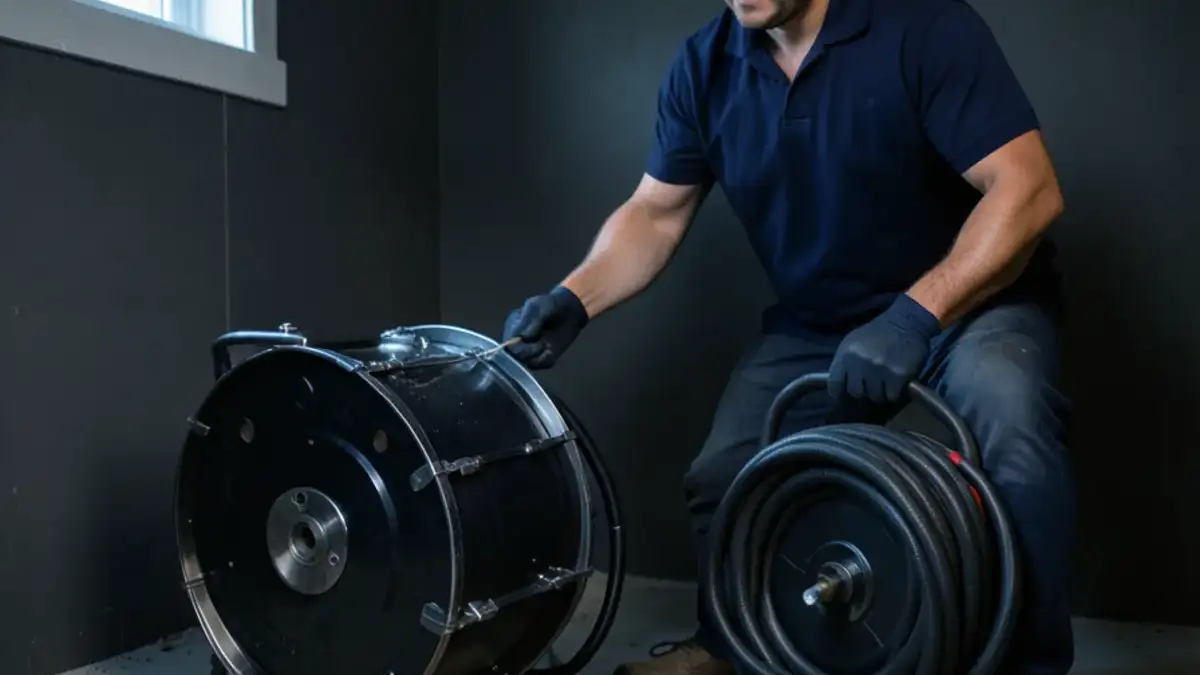
Snaking vs hydro jetting is a question of what is in the pipe. A cable and cutter opens a path through a blockage, which suits roots, hard clogs and a single stopped fixture. High-pressure water scours the pipe wall, which suits grease, sludge and scale in a sound line. A camera look settles it when you are unsure.
Snaking vs Hydro Jetting: What Is the Real Difference?
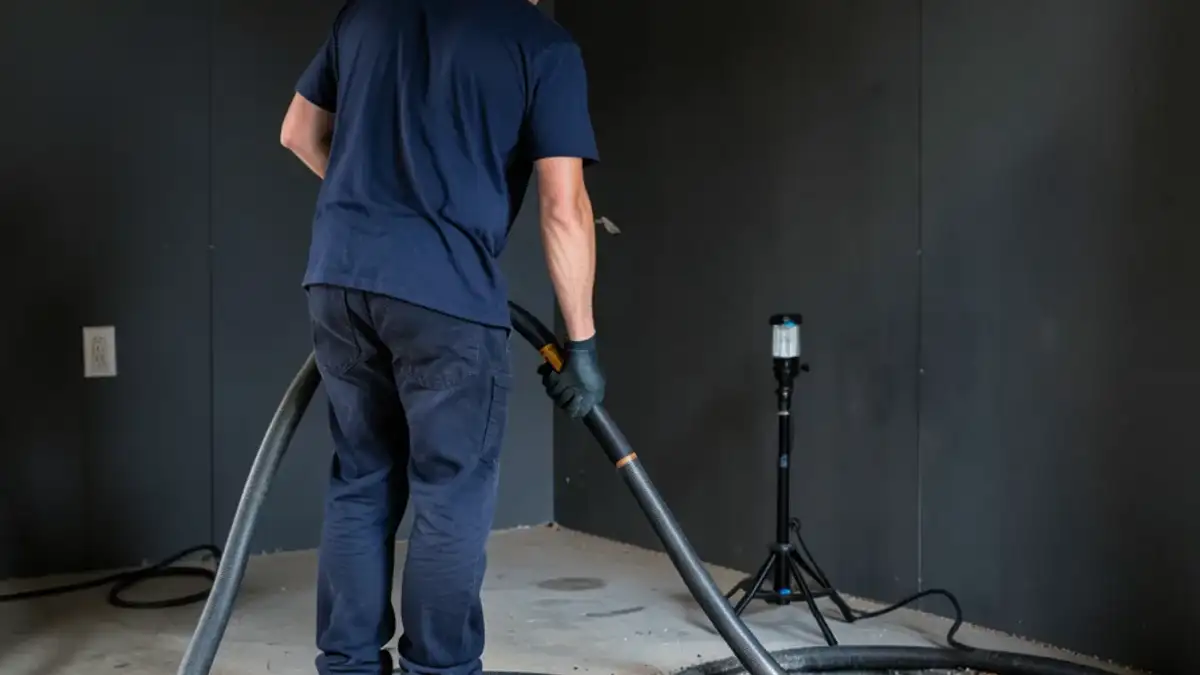
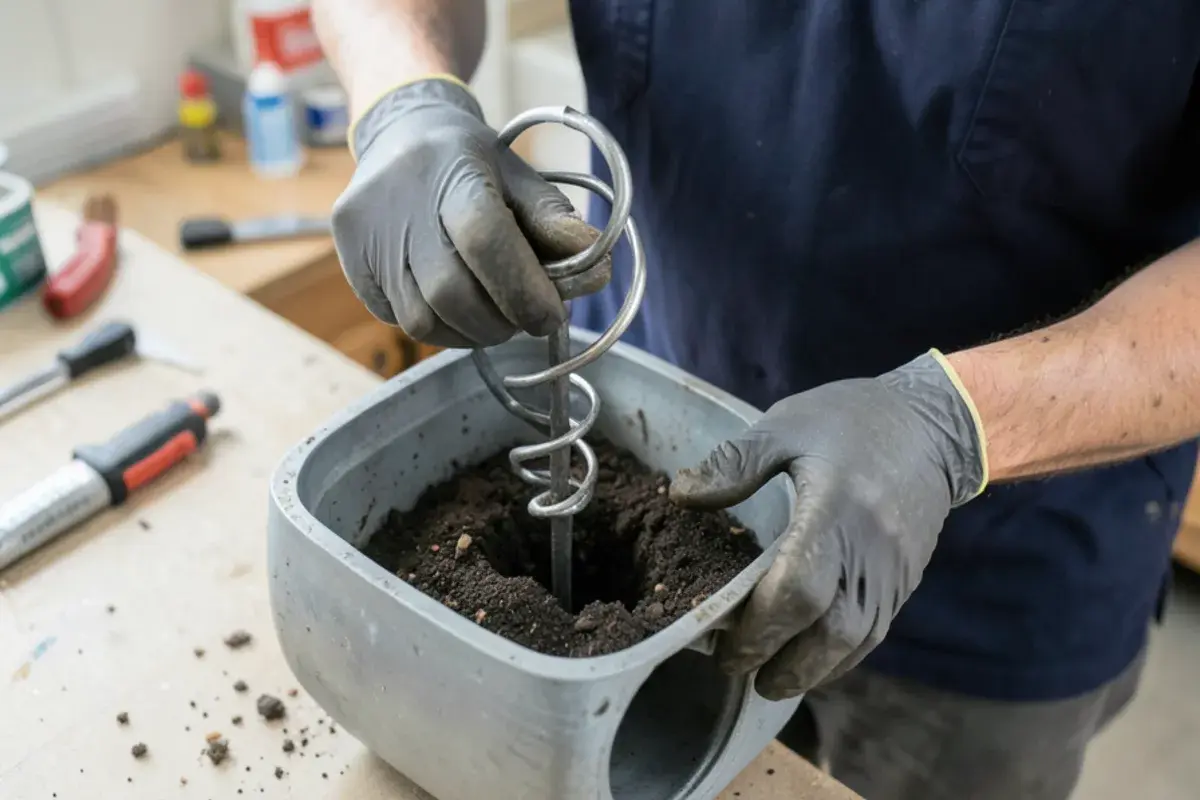
Snaking opens a path and jetting washes the pipe. A snake is a flexible cable with a cutting or retrieving head that breaks up or pulls out the blockage. Per one service provider's guide, it usually opens a narrow path rather than cleaning the walls. Jetting pushes high-pressure water, roughly 1,500 to 4,000 PSI by the same source, through a hose and nozzle to wash buildup off the inside.
| Snaking (cable) | Hydro jetting | |
|---|---|---|
| How it works | Cuts, breaks or pulls a blockage | Scours the pipe wall with water |
| Best for | Hair, paper, soft clogs, roots, retrieving objects | Grease, sludge, soap scum, scale |
| Weak spot | Leaves film on the wall, so clogs can return | Not for a cracked, offset or failing line |
| Pipe risk | Low, but a cable can snag fragile pipe | Higher in old or damaged pipe |
| Fixes a broken pipe | No | No |
Drain that keeps stopping up? Call (209) 563-1400
Open 7 days, 7:15 AM to 6:15 PM. Tell us what is happening and we will give you a clear, upfront quote.
When Is Snaking the Right Call?
Snaking wins for a stopped fixture or a line with roots. A single sink or tub clogged with hair or paper is a local, soft blockage, and a cable clears it fast and with little risk. It is also the first move in old clay or cast iron, where full pressure through a weak joint is a bad idea.
Roots favor the cable too. A cutter head chews through them and restores flow. The City of Bismarck notes that mechanical or chemical root control is a temporary solution that must be repeated unless the defect is fixed. Our sewer line cleaning work usually starts with a cable for that reason.
Why a Rented Snake Is a Different Job
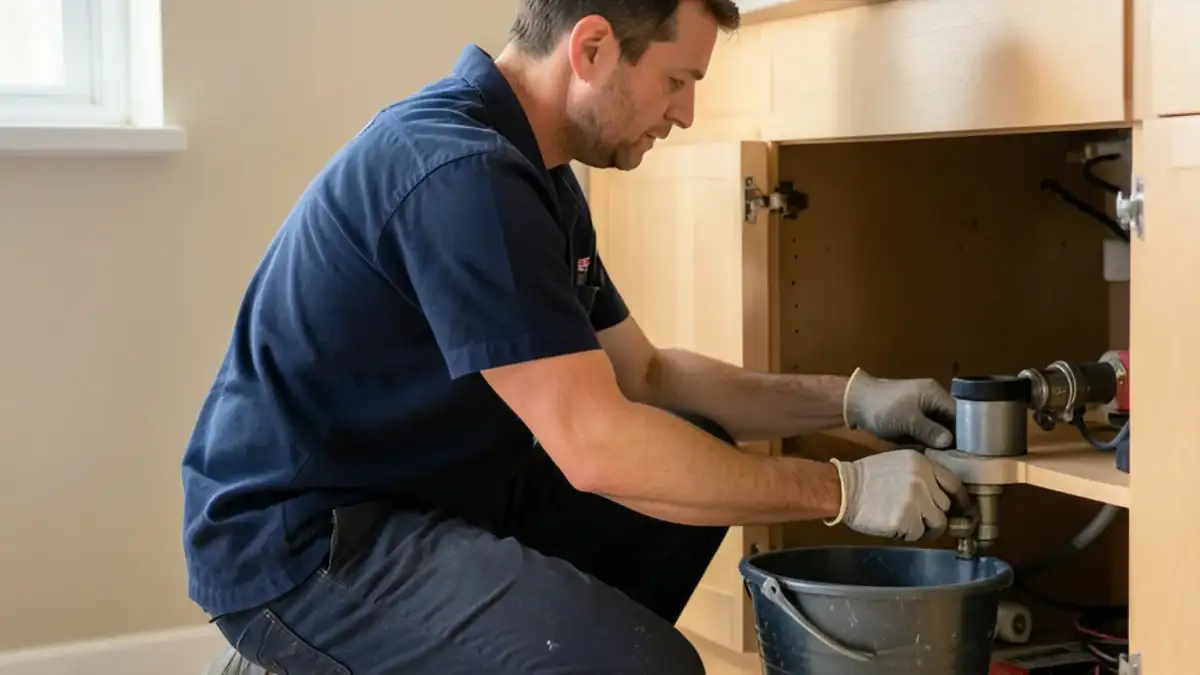
A hardware store snake suits a trap and the first few feet of a branch line. A main line takes a heavier cable, a head sized to the 3 or 4 inch pipe, and hands that can tell a bend from a broken joint. One plumbing company's guide calls snakes the homeowner-friendly choice for simple clogs and strongly discourages DIY water jetting, because a mistake at that pressure is a serious one. We agree on both counts.
When Does Hydro Jetting Win?
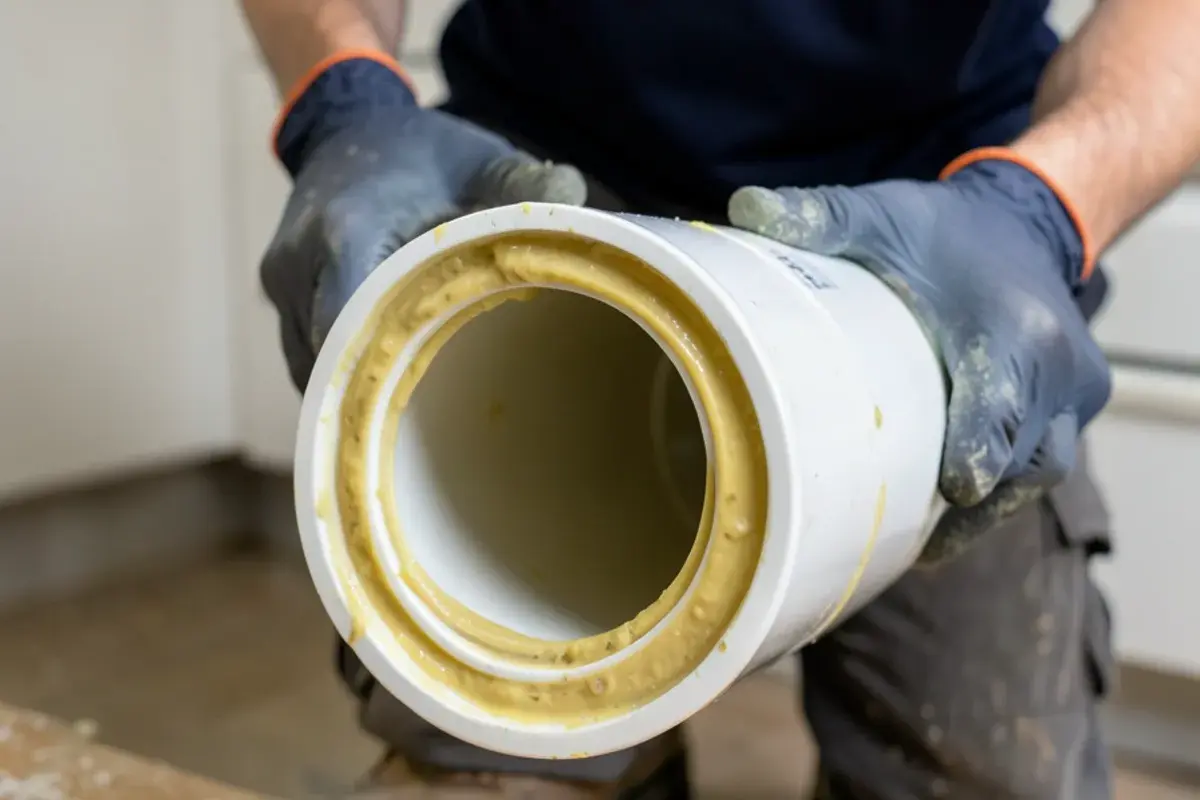
Jetting wins when the pipe is coated, not just blocked. Fats, oils and grease cling to sewer pipe and thicken with time, as the Village of Bensenville points out. A cable punches through that and leaves most of it on the wall. Jetting can strip it, along with sludge and scale, which matters when clogs keep returning in a sound line.
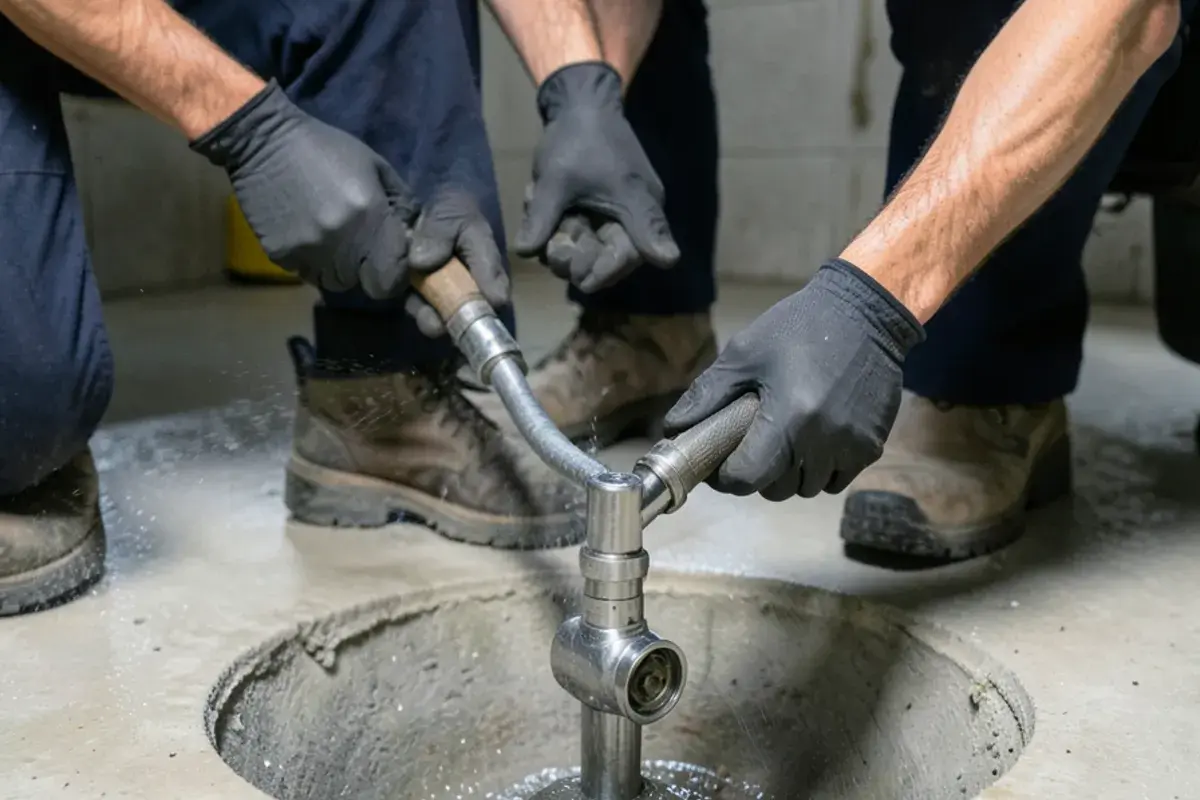
Restaurants and long kitchen drains are the usual cases, and so is a house where a cable has opened the same line twice. For a deeper look at the method, our hydro jetting page covers it step by step. For homes near the river, such as those in Creve Coeur, we want the pipe's age and condition known before the pressure goes on.
The Nozzle Matters as Much as the Pressure
"Hydro jetting" on a quote says little until someone names the nozzle. Rear-facing jets push the head up the pipe, and forward jets attack whatever sits in front of it, as Range Supply's nozzle guide explains. A penetrating nozzle concentrates force on a stoppage. A flushing nozzle sprays in a full circle to move debris and sediment. A cornering nozzle uses angled jets to get around bends. The right one depends on the blockage and the pipe material.
Do Plumbers Ever Use Both on the Same Line?
Yes, and on a stubborn line that is often the sensible order. The cable goes first when water cannot get past the stoppage, since a jet feeding a fully stopped pipe has nowhere to send its water except back toward the house. Once flow returns, the jet can clean what the cable left behind.
The line between the two tools is also less sharp than most comparisons suggest. The EPA's sewer cleaning fact sheet, written for public sewer crews, says rodding breaks up grease deposits, cuts roots and loosens debris, and that jetting removes debris and grease, clears blockages and cuts roots in small pipes. Either tool can reach into the other's job. The real question is which does it well in this pipe, and at what risk.
Why Should a Camera Decide in Doubtful Cases?
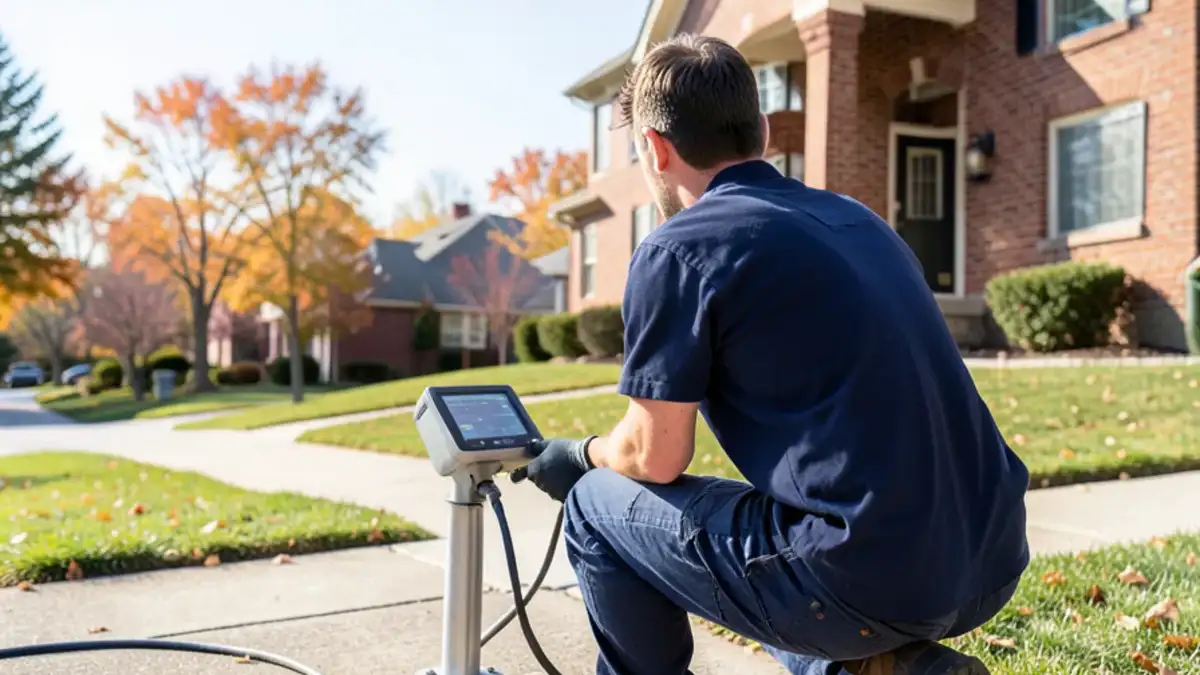
Because neither method repairs a pipe. A camera shows buildup, roots, cracks, offsets and standing water, and that picture picks the tool. It can also show that cleaning is the wrong answer: a collapsed or misaligned section needs repair, not another pass. A full blockage can block the camera, so the line may need opening first.
Use a sewer camera inspection when a line clogs repeatedly, when the pipe is old or when you are buying a house. Skip it for a one-time hair clog in a tub.
Which Tool Goes First in Five Common Situations?
The first tool depends on the symptom, and the second depends on what the first one found.
| Your situation | Start with | Then | Why |
|---|---|---|---|
| Bathroom sink or tub stopped by hair | Small cable | Nothing, if it stays clear | A soft clog in a short, small line |
| Kitchen line that slows every few months | Cable if fully stopped | Jetting, once the pipe is known sound | Grease on the wall is the real cause |
| Floor drain backing up, large tree near the line | Cable with a root cutter | Camera, to find the entry point | Roots return through the same opening |
| Clay or cast iron main of unknown condition | Camera | Cable or jetting, as the pipe allows | Pressure should follow condition |
| Toy or tool lost in a toilet or line | Retrieving head | Camera if it will not come out | Water will not move a hard object |
The Honest Verdict
Pick the cable for roots, a stopped single fixture, a hard blockage or fragile pipe. Pick jetting for grease, sludge and scale in a pipe that is known to be sound. Pick the camera first when you cannot tell, and when the same drain has been cleared before. Jetting usually costs more than cable work, so ask for a written quote for each and what it covers.
Neither method makes an old pipe new, and neither is the right answer for everything.
How Do You Keep the Pipe Clear After Either Method?
Cleaning resets the pipe, and habits decide how long it stays reset. After a cable, the wall film stays, so a grease problem can return soon. After jetting, the wall is cleaner, but a line with a flaw will still catch roots or paper.
- Keep grease out of the kitchen drain and bin wipes, whatever the package says.
- Run hot water for a minute after washing greasy dishes.
- Note the date of the cleaning and what came out, so the next call starts with facts.
- If the same drain clogs again within months, ask for a camera look, not a third cleaning.
What We Look For Before Choosing a Method
We ask what the drain does, how often it clogs and what came out last time. We look at the pipe material and age, because that decides how much pressure is wise. Then we pick the tool for the blockage in front of us, explain why and show you what comes out. If the cable shows a coated line, we say so and talk through jetting. If the camera shows a failed section, we say that too.
The Trade-Offs We Talk Through
- A cleaner wall costs more that day. Jetting takes more setup than a cable. It earns that cost only if it stretches the time between calls, and on a line with a defect it will not.
- A cable gives feedback. The operator feels a joint or an offset through the cable. A jet gives no such warning, which is one more reason to look first in old pipe.
- Access can change the plan. Jetting typically calls for a cleanout on the line, per one plumbing company's guide. No reachable cleanout means extra setup, and that belongs in the quote.
- Repeat cable visits are a signal. Two or three trips a year on one line means the cause is still there.
Call Before the Next Cleaning
Call (209) 563-1400 and tell us which drains are slow, how old the house is and what was done last time. We will say which tool we would start with and why, and you get a clear, upfront quote before work starts.
Sources

Written by the Professional Sewer & Drain Services team
A plumbing and sewer company based in Washington, IL. About us