Emergency guides
What to Do When a Pipe Bursts: The First 10 Minutes
Published November 1, 2026. Updated November 1, 2026.
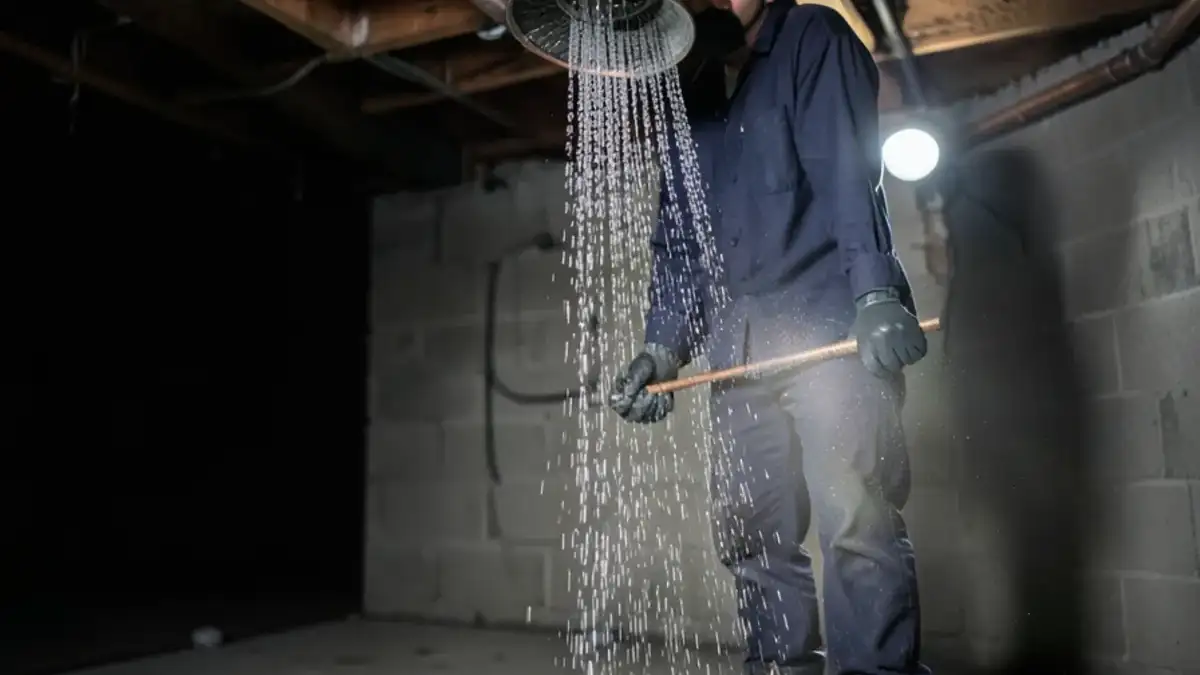
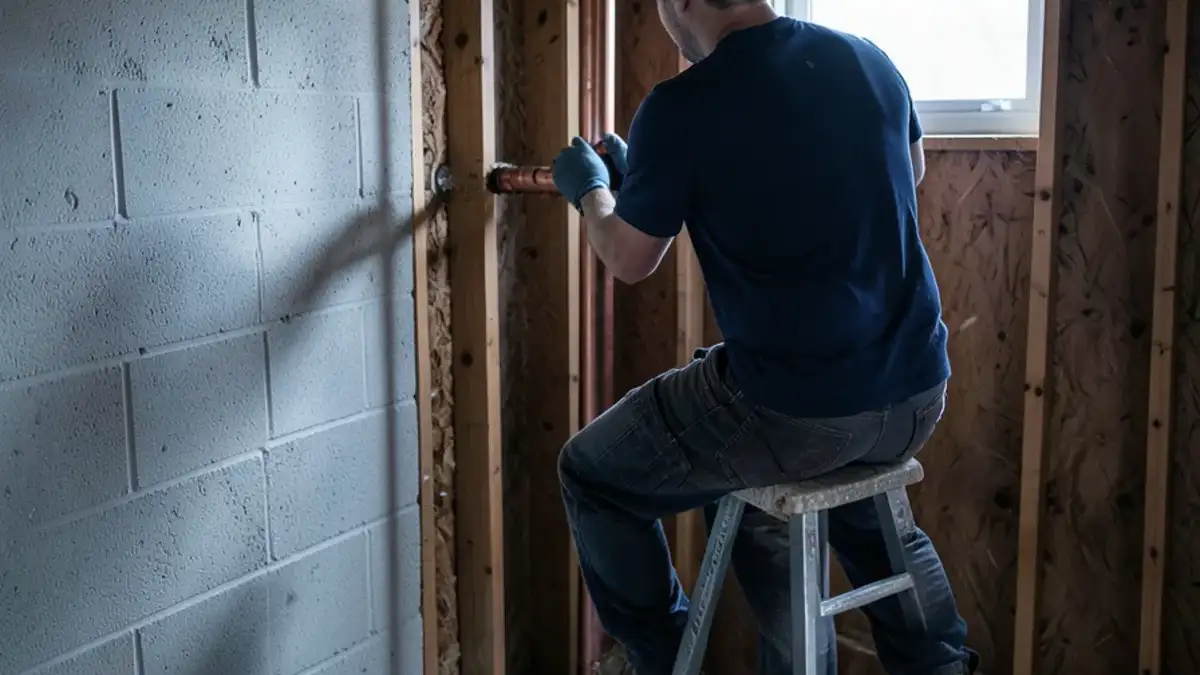
What to do when a pipe bursts comes down to one move first: close the main water shutoff valve. Everything else, from moving belongings to calling your insurer, waits until the water stops. This guide puts the first ten minutes in order, then covers the damage clock, insurance and what a plumber checks once the flow is off.
What Should You Do When a Pipe Bursts? The First Ten Minutes
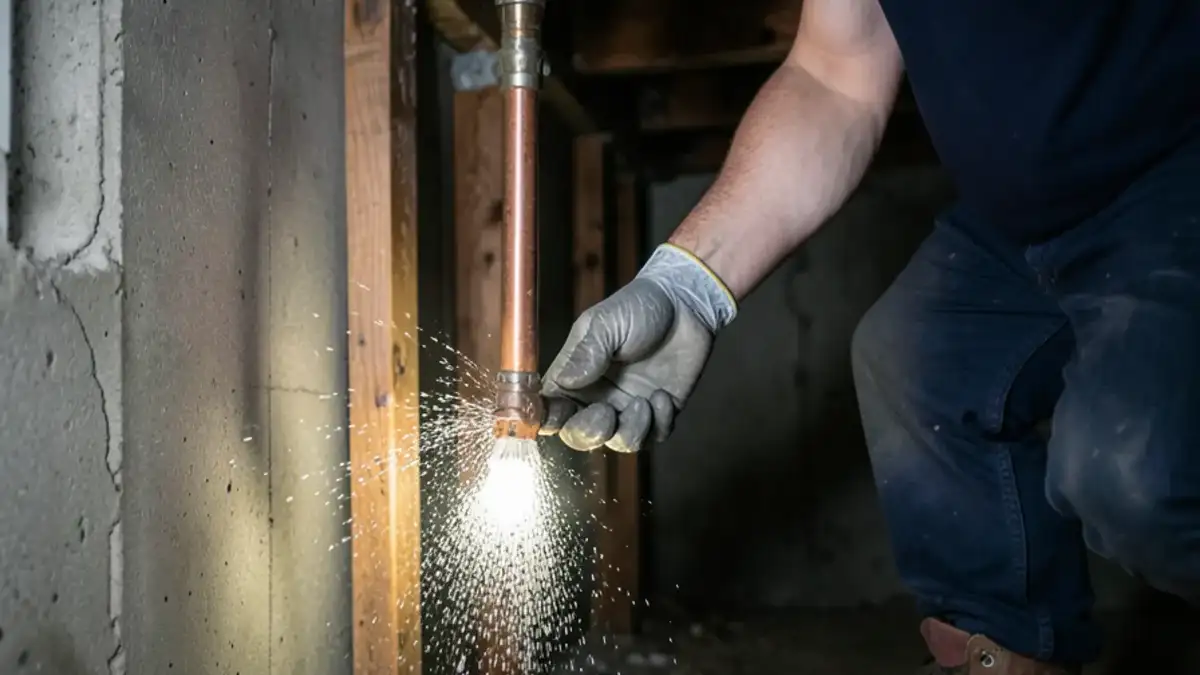
Close the main shutoff valve first. A cracked pipe can release a large volume of water quickly, according to University of Illinois Extension, which puts a crack of just one-eighth inch at up to 250 gallons a day. A running pipe does more damage each minute than anything else you could do.
Work through these steps in order:
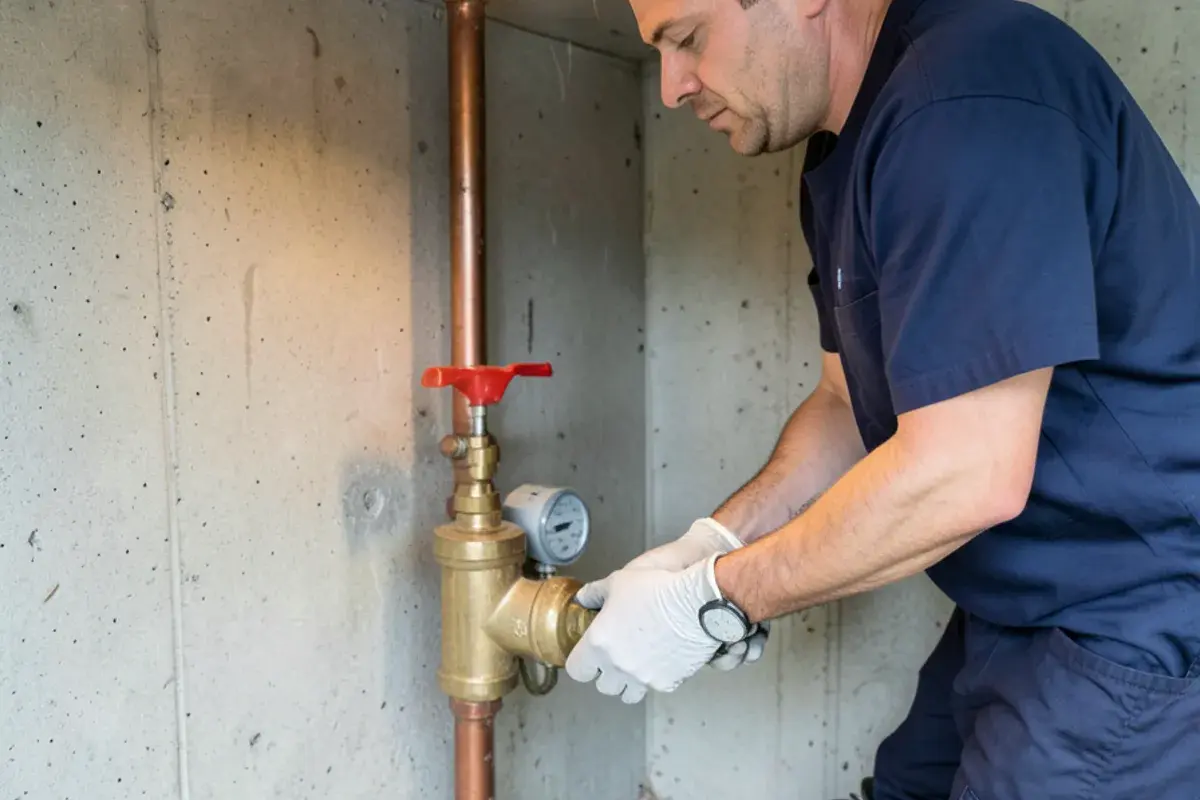
- Close the main water valve. Turn a round gate valve clockwise until it stops. A lever handle on a ball valve turns a quarter turn so it sits crosswise to the pipe.
- Open the lowest faucet and the highest faucet. This drains the water still sitting in the lines, so the break stops running sooner.
- Switch off the water heater. Flip its breaker or set the gas control to off, so the tank does not heat while the lines are empty.
- Cut power only from a dry spot. The CDC says to turn off main power if you can reach the panel without stepping into water. If you cannot, call an electrician.
- Move what you can. Lift rugs, electronics and cardboard boxes off wet floors.
- Photograph the damage before you clean up.
- Call a plumber and then your insurance agent.
If the valve will not turn, do not force it. Call us at (209) 563-1400 and say that the shutoff is stuck.
A few things to avoid while you wait for help:
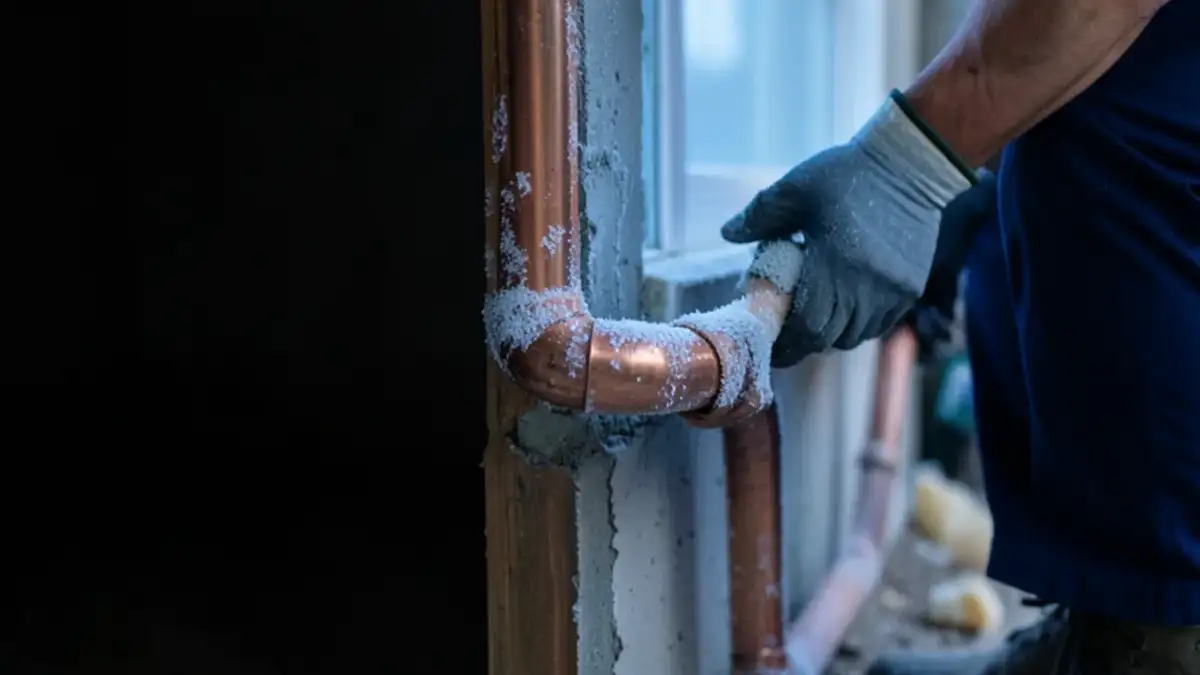
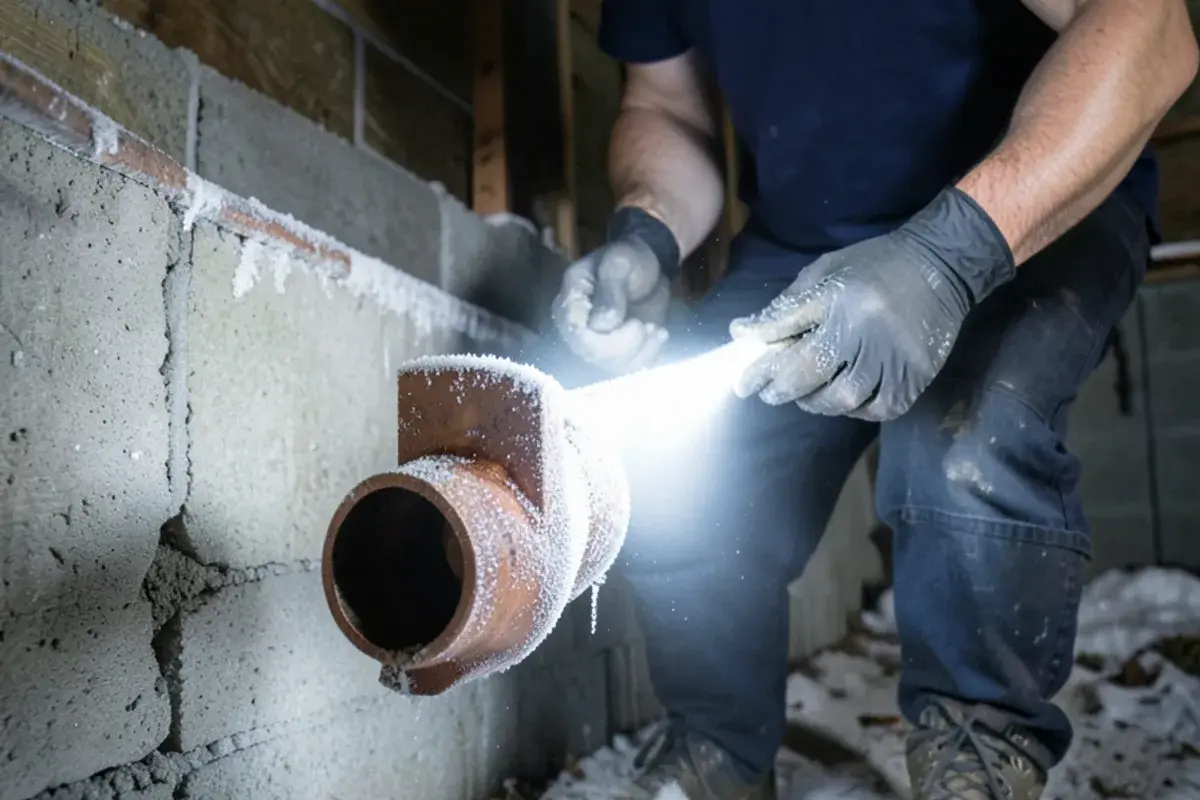
- Do not thaw a frozen pipe with a torch or any open flame. Extension guidance is clear on that point.
- Do not walk through standing water near outlets, power strips or a running appliance.
- Do not run the dishwasher or washer, and do not flush, until the pipe is repaired.
- Do not assume the water is clean. If the break is on a drain line, treat it as contaminated.
When you call, tell the plumber what you see: whether the water is off, where the wet spot is, whether the pipe is in a wall or a ceiling, and the age of the house. Those details let us plan the tools and the pipe to bring.
Why Is Water Still Running After the Valve Is Closed?
Give it a few minutes first. The pipes above the break still have to empty, so a trickle that keeps slowing is normal. A steady stream after that means the valve is not sealing, or the break sits on the street side of it. Try a second valve at the meter if your house has one.
Pipe burst in your house? Call (209) 563-1400
Open 7 days, 7:15 AM to 6:15 PM. Tell us what is happening and we will give you a clear, upfront quote.
Where Is the Main Shutoff Valve in a Washington Home?
Look where the water line enters the house. In a basement home, that is usually a wall near the front of the house, close to the water meter, and often within a few steps of the water heater. Slab homes tend to keep it in a utility closet or garage.
Find it before you need it. Washington's median home was built in 1978, according to Point2homes citing Census data, and homes that age often carry an older valve that has not turned in decades. Open and close it once this week. If it sticks or drips from the stem, that is a repair worth doing on a calm day.
Winter raises the odds. Washington's cold season runs about December 1 to March 1, and the January average low is 15.8°F. A pipe that froze and split often does not run until the weather warms and the ice melts, so a ceiling stain on a thaw day deserves the same shutoff routine.
Does the Location of the Break Change What You Do?
Yes. The valve always comes first, but where the water shows decides the next move.
| Where the water shows | Extra step once the valve is closed | Why it matters |
|---|---|---|
| Sagging or bulging ceiling | Clear the room and stay out from under it | Wet drywall holding water can let go all at once |
| Wall with outlets or switches | Turn that circuit off at the panel from a dry spot | Water follows the wall cavity down to wiring and boxes |
| Inside wall behind an outdoor faucet | Keep the faucet closed and tell the plumber | A frozen spigot line often splits indoors, where you cannot see it |
| Yard or along the foundation | Call the water utility too | The break may sit ahead of the house valve, and the curb shutoff is theirs to operate |
| Drain or waste pipe | Stop using fixtures | The main valve shuts off supply lines only, and it will not stop what you send down a drain |
If water reached the panel or any wiring, the CDC says to have an electrician check the system before power goes back on.
How Fast Does a Burst Pipe Damage a House?
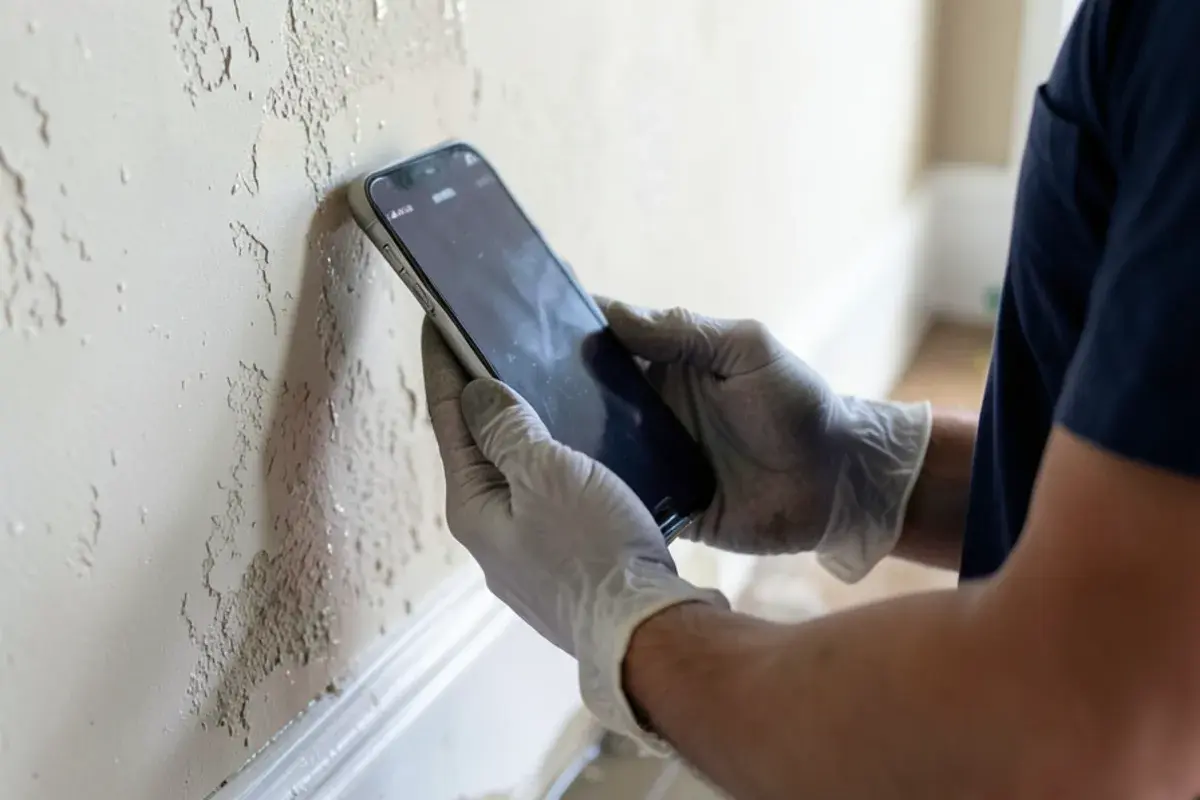
Drywall soaks up moisture within hours, and framing left wet past 48 hours risks microbial growth. That is why drying has to start right away, with fans, dehumidifiers and a moisture meter to confirm that wood and board are actually dry. The EPA's mold guide sets the same target from the other side: dry water-damaged areas within 24 to 48 hours and mold usually will not grow.
Keep these points straight when the water is off:
- Wet insulation and saturated drywall usually come out.
- Hardwood and carpet pad need drying equipment quickly or they may be lost.
- A dry surface can still hold moisture behind it, so measure instead of guessing.
Does Homeowners Insurance Cover a Burst Pipe?
Usually yes. Triple-I says standard homeowners and renters policies cover burst pipes, but your own policy sets the terms, limits and deductible. Read it, or ask your agent what counts as a covered cause.
The wording that matters is "sudden and accidental." The National Association of Insurance Commissioners says homeowners policies cover damage from that kind of discharge from a plumbing system. It also warns that damage may not be covered if the insurer finds you did not take steps against freezing, and that policies generally require a minimum temperature in the home, or the water shut off if it is vacant.
Keep the damaged length of pipe if you can, take photographs and video before cleanup, and save receipts. Ask the insurer before signing a drying or rebuild contract. A plumber repairs the pipe, and the insurer decides what it pays, so the two calls are separate.
What to Write Down for the Claim
- The time you found the water and the time you closed the valve.
- Photos and video of the break, ceilings, floors and contents, before anything moves.
- Receipts for fans, dehumidifiers and any emergency drying.
- The plumber's written note on what failed and where, along with the cut section of pipe.
- The claim number, plus the name of each person you speak to at the insurer.
What We Look For When We Get the Call
We start with where the water is coming from, not where it is showing up. Water travels along joists and down wall cavities, so the wet spot in a ceiling can be several feet from the split.
Then we check what the break tells us. A lengthwise split in a cold spot points to freezing. A pinhole or a failed joint points to age or corrosion, and that matters because more of the same pipe may be close behind. We test the main valve we closed, look at pipes on the same exterior wall, and talk through whether a section repair is enough or whether more of the line needs replacing.
Our burst pipe repair page covers the repair itself. If the pipe is frozen but not yet split, frozen pipe thawing is the safer route than heat from a torch. Neighbors in East Peoria, about 11 miles from our base, can call the same number.
How Do You Bring the Water Back On After the Repair?
Slowly, and with someone watching the repair. Illinois American Water advises turning water back on slowly and checking for cracks and leaks, because freezing can leave cracks nobody can see while the line is empty.
- Leave one upstairs faucet open and close the others you opened earlier.
- Open the main a quarter of the way and listen as the lines fill.
- Walk the repair and the pipes around it with a flashlight, including any ceiling below.
- Wait for a steady stream at the open faucet, with no spitting air, then close it and open the main fully.
- Run a hot tap until it flows evenly, and only then turn the water heater back on. An electric element that fires in a tank short of water can burn out.
Practice the Valve, Then Keep Our Number Close
The whole plan fits on one line: valve, power, belongings, photos, plumber, insurer. University of Illinois Extension says everyone in the household should know how to shut off the water, so walk them to the valve this week.
If a pipe has let go, call (209) 563-1400. Our Google hours are 7:15 AM to 6:15 PM every day, and outside those hours the closed valve buys you time. Vijay K. wrote that he called about a leak behind a laundry room on a Saturday morning and Monty came right over. That was one past call, so ask for a time when you call. Our emergency leak repair page explains how a visit runs when the water will not wait.
Sources
- University of Illinois Extension: Water Pipes
- Triple-I: Water Damage, What's Covered and What's Not
- CDC: Reentering Your Flooded Home, Safety Guidelines
- NAIC: Will My Homeowners Insurance Policy Cover Water Damage From a Burst Pipe?
- U.S. EPA: A Brief Guide to Mold, Moisture and Your Home
- Illinois American Water: Cold Weather Tips To Prevent Frozen Pipes (January 15, 2024)

Written by the Professional Sewer & Drain Services team
A plumbing and sewer company based in Washington, IL. About us